
Rising Tensions in the Middle East: A Region on the Edge
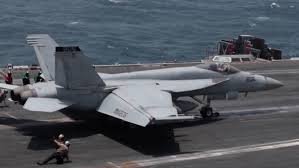
The geopolitical landscape of the Middle East has shifted violently once again. In a series of aggressive maneuvers, the United States has launched new airstrikes against Iran and reinstated a strategic naval blockade of its ports. This escalation marks a significant breakdown in diplomatic efforts, threatening the fragile protocol agreed upon in June and pushing the region toward a broader conflict.
President Donald Trump has adopted a hardline stance, warning Tehran that the situation will “turn really bad” unless the Iranian government returns to the negotiating table. With threats to target critical infrastructure, including power plants and bridges, the atmosphere in the region is one of extreme volatility.
The Strategic Battle for the Strait of Hormuz
At the heart of this conflict lies the Strait of Hormuz, one of the world’s most vital maritime chokepoints. The resumption of the US naval blockade has sent shockwaves through global markets. The international benchmark, Brent crude oil, saw a sudden price surge of over 9% as investors feared a total paralysis of oil shipments.
While the US initially proposed a tax on ships traversing the strait to fund security operations, the administration later pivoted toward pursuing trade and investment agreements with Gulf monarchies. However, the reality on the ground remains grim:
- n
- Maritime Attacks: The International Maritime Organization (IMO) has reported several attacks on tankers, resulting in casualties.
- Economic Pressure: Previous blockades have successfully prevented Iran from exporting a single barrel of oil, a tactic the US is now deploying again to force diplomatic concessions.
- Humanitarian Concerns: The United Nations has expressed grave alarm over the socio-economic consequences, as millions depend on this route for essential food and medicine.
Military Escalation and Regional Fallout
The conflict is not limited to the seas. Iran has reported widespread bombardments in cities like Bandar Abbas and Ahvaz. In retaliation, Tehran has targeted US military installations, including an airbase in Jordan and military assets in Kuwait.
Beyond the direct US-Iran clash, the wider Middle East remains unstable. While there is a temporary lull in the conflict between Israel and Hezbollah in Lebanon, tensions remain high. Prime Minister Netanyahu has warned of a “far more powerful” response should Iran launch further attacks.
A Region in Turmoil: Other Critical Flashpoints
The instability extends across several borders, creating a complex web of crises:
- Gaza: Despite previous ceasefires, strikes continue to claim lives in northern Gaza.
- Palestine: Palestinian NGOs are intensifying campaigns against the treatment of detainees in Israeli prisons, while hopes for legislative elections remain slim.
- Syria: Security forces in Damascus continue to battle ISIS cells, highlighting the persistent threat of terrorism in the region.
As the world watches the Middle East, the balance between military pressure and diplomatic resolution remains precarious. The global economy, particularly energy markets, remains hyper-sensitive to every move made in the Strait of Hormuz.



