
The Price of Gourmet Innovation: A Michelin-Starred Scandal
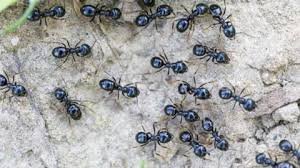
In the world of haute cuisine, pushing boundaries is often what separates a great chef from a legendary one. However, for one owner of a two-Michelin-starred restaurant in Seoul, pushing the envelope may have gone too far. South Korean prosecutors are currently seeking a one-year jail sentence for the chef accused of using ants as a decorative garnish for desserts.
While insects are becoming a trend in sustainable dining globally, the law in South Korea is very specific. The country maintains a strict list of only 10 insect species approved for human consumption—which includes grasshoppers and crickets, but notably excludes ants.
Forbidden Flavours and Heavy Metal Risks
The controversy erupted after the Ministry of Food and Drug Safety discovered online reviews from diners, complete with photographs, showing dishes sprinkled with ants. The investigation revealed a startling scale of operation:
- n
- Quantity: Approximately 49,000 ants were used over a four-year period.
- Origin: The insects were imported from the United States and Thailand.
- Health Hazard: Most alarmingly, health authorities found that these ants contained up to 55 times more heavy metals than typical edible insects.
Because of these safety violations, prosecutors are not only seeking prison time for the owner but also a fine of 20 million Korean won (approximately $13,510 USD).
The Defense: Global Trends vs. Local Laws
The restaurant owner has admitted to using the insects but argues that they were a minor part of a complex 15-course tasting menu, specifically used as a topping for sorbets. According to the defense, diners were given the choice to opt-out, and only about 60% of guests chose to try the ant-topped treats.
The chef also pointed out that using Michelin-standard creativity is common in other countries. In nations like Denmark, the UK, and Australia, ants are occasionally featured in high-end gastronomy. Similarly, in Colombia, queen ants are prized as highly as caviar, while weaver ants are staples in Thai and Cambodian cuisines.
What Happens Next?
The legal battle highlights the tension between culinary art and stringent food safety regulations. South Korean authorities determine edible insect approval based on toxicity, nutritional value, and the ability to process them hygienically—criteria the imported ants failed to meet.
The court is scheduled to deliver its final verdict on September 2. Whether the chef will serve time or pay a fine, the case serves as a cautionary tale for the global culinary community on the importance of local food compliance.



