
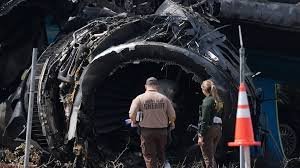
Miami Cargo Plane Approach Speed Warnings: Chilling CVR Details Emerge in Amazon Air Crash
A devastating aviation accident in Miami has left the community in mourning and investigators searching for answers. New evidence from the National Transportation Safety Board (NTSB) has shed light on the final, frantic moments of Amazon Air Flight 7598, revealing a series of miami cargo plane approach speed warnings that preceded a fatal runway overrun.
The Final Minutes: A Race Against Time
According to the cockpit voice recorder (CVR), which captured over two hours of audio, the atmosphere in the cockpit became tense long before the aircraft touched the tarmac. Approximately 1 minute and 42 seconds before the crash, one of the pilots explicitly warned that the plane was traveling too fast.
The NTSB summary indicates that the pilot continued to express concern over the aircraft’s “excessive speed” throughout the remainder of the recording. This suggests that the crew was aware of the danger, yet the momentum of the cargo plane proved uncontrollable.
A Failed Attempt to Abort
The timeline of the crash highlights a critical window where a disaster might have been averted. The sequence of events unfolded as follows:
- n
- 30 Seconds Before Impact: Sounds consistent with the aircraft touching down were recorded.
- 15 Seconds Later: A pilot called for a “go-around,” a standard aviation procedure to abort a landing and climb back into the air.
- 5 Seconds Later: The aircraft veered off the runway, making the abort attempt too late to be effective.
Technical Breakdown: What the Data Shows
While the pilots attempted to recover the aircraft, flight data recorders reveal a complex technical scenario. Investigator Chihoon Shin noted that while throttles were increased—consistent with go-around thrust—there were critical omissions in the braking process.
Although brakes were reapplied until the end of the recording, there was no indication that speed brakes or thrust reversers were deployed. In high-speed landing scenarios, these tools are essential for slowing a heavy aircraft quickly enough to remain within the runway boundaries.
The Human Cost and Cargo
The Amazon Air flight, arriving from Puerto Rico, was transporting approximately 32,000 pounds of cargo, primarily contact lenses. The tragedy peaked when the plane overran the runway and collided with a Ford Econoline van used by an aircraft cleaning company.
The collision claimed the lives of five individuals: Rolando Aleman Leon, Yoel Rodriguez Narajo, Julio C. Pineda, Carlos Acosta Fajardo, and Javierkys Reyes Quevedo. The two pilots survived and have since been released from the hospital.
Ongoing Investigation
The NTSB continues to lead the investigation. While the pilots have been interviewed, the agency has not yet released specific findings from those conversations. A preliminary report is expected in the coming weeks, which will likely provide a definitive answer on why the approach speed remained excessive and why critical deceleration systems were not utilized.



