
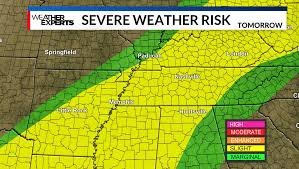
Memphis Weather: A Comprehensive Guide
Memphis, Tennessee, experiences a diverse climate, characterized by hot, humid summers and mild to cool winters. Understanding the Memphis weather patterns is crucial for residents and visitors alike. This guide provides a detailed overview of what to expect throughout the year, including forecasts, historical extremes, and essential safety tips.
Understanding Memphis’ Climate
Memphis falls within the humid subtropical climate zone. This means four distinct seasons:
- Spring (March-May): A beautiful time of year with blooming flowers and comfortable temperatures. However, spring in Memphis can also be prone to severe thunderstorms and even tornadoes.
- Summer (June-August): Hot and humid, with average highs in the low 90s (°F). Heat indexes can frequently exceed 100°F.
- Fall (September-November): Pleasant temperatures and colorful foliage make fall a favorite season.
- Winter (December-February): Mild winters with occasional cold snaps. Snowfall is infrequent but possible.
Current Memphis Weather Forecast
For the most up-to-date Memphis weather information, we recommend checking these reliable sources:
- National Weather Service – Memphis: Provides detailed forecasts, warnings, and radar imagery.
- AccuWeather – Memphis: Offers hourly, daily, and 15-day forecasts.
- The Weather Channel – Memphis: Provides comprehensive weather coverage, including videos and articles.
Historical Weather Extremes in Memphis
Memphis has experienced a range of extreme weather events throughout its history. Here are some notable examples:
- Highest Recorded Temperature: 108°F (July 13, 1934)
- Lowest Recorded Temperature: -8°F (February 13, 1899)
- Record Rainfall: 17.72 inches (May 1936)
These extremes highlight the importance of being prepared for all types of Memphis weather conditions.
Weather Safety Tips for Memphis Residents
Memphis is susceptible to several types of severe weather. Here are some safety tips to keep in mind:
- Severe Thunderstorms: Seek shelter indoors during thunderstorms. Avoid using electronic devices and plumbing.
- Tornadoes: Know the difference between a tornado watch and a tornado warning. If a warning is issued, seek shelter in a basement, storm cellar, or interior room on the lowest floor of a sturdy building.
- Extreme Heat: Stay hydrated, avoid strenuous activity during peak heat hours, and wear light-colored, loose-fitting clothing.
- Winter Weather: Be prepared for icy roads and sidewalks. Dress in layers and avoid prolonged exposure to the cold.
Long-Term Climate Trends in Memphis
Like many regions, Memphis is experiencing the effects of climate change. Data from the EPA (Environmental Protection Agency) shows a trend towards warmer temperatures and more frequent extreme weather events. Staying informed about these trends is vital for long-term planning and resilience.
Staying informed about the Memphis weather is essential for ensuring your safety and comfort. Utilize the resources provided and be prepared for whatever the weather may bring!



