
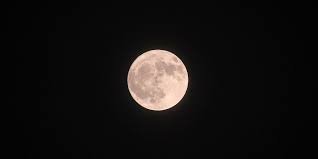
Prepare Your Telescopes: The May 31 Blue Moon is Almost Here!
For those who love the mystery of the night sky, May is ending with a spectacular finale. Mark your calendars for May 31, as we prepare to witness a Blue Moon—a rare celestial event that promises to captivate skywatchers across the globe.
But before you start looking for a blue-tinted glow in the sky, there is something you should know: despite the poetic name, the moon won’t actually turn blue. Instead, the term refers to a fascinating quirk of our lunar calendar.
What Exactly is a Blue Moon?
If you’ve ever wondered why we call it a “Blue Moon,” you aren’t alone. According to astronomical standards and resources like the NASA Moon portal, there are actually two different definitions for this phenomenon:
- n
- Calendrical Blue Moon: This is the most common definition and the one applying to the May 31 event. It occurs when there are two full moons within a single calendar month.
- Seasonal Blue Moon: This happens when there are four full moons in a single season (which usually only has three), making the third one the “Blue Moon.”
Because the moon’s cycle lasts approximately 29.5 days—slightly shorter than most of our calendar months—these overlaps happen infrequently. On average, a calendrical Blue Moon appears only once every 30 months.
Why the May 31 Event is a Must-See
This particular event is especially significant because it marks the first time since August 2023 that we’ve seen two full moons in one month. If you miss this opportunity, you’ll have to wait until December 2028 to see it happen again!
Beyond the Moon: Other Cosmic Sights to Spot
The May 31 Blue Moon isn’t the only reason to keep your eyes on the stars. The current planetary alignment is offering some breathtaking views for early risers and night owls alike:
1. The Pre-Dawn Duo: Mars and Saturn
If you can brave an early alarm, set it for 45 to 60 minutes before sunrise. Look toward the eastern sky to catch a glimpse of Mars and Saturn shining brightly before the sun takes over.
2. The Post-Sunset Pair: Venus and Jupiter
For those who prefer the evening, the window of opportunity opens about 30 to 45 minutes after sunset. Keep an eye out for Venus and Jupiter as they inch closer together in a stunning celestial dance.
Quick Tips for the Best Viewing Experience
To make the most of the May 31 Blue Moon and the planetary alignments, follow these simple tips:
- Find a Dark Spot: Get away from city lights to reduce light pollution.
- Check the Weather: Use a reliable weather app to ensure clear skies.
- Use Binoculars: While the moon is visible to the naked eye, a pair of binoculars will help you spot the planetary details more clearly.
As May draws to a close with this cosmic celebration, remember that the excitement is just beginning. June is set to bring even more planetary pairings and moonlit wonders. Stay curious, and keep looking up!



