
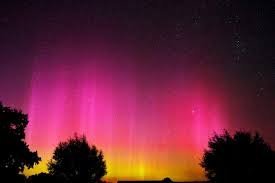
Unlock the Magic of the Night Sky: Understanding the Aurora Forecast
There is perhaps no natural phenomenon more breathtaking than the Aurora Borealis. For many visiting Canada, witnessing the dancing ribbons of green, purple, and red across the Arctic sky is a bucket-list experience. However, the Northern Lights are elusive. To transform a hopeful trip into a guaranteed sighting, you need to understand the aurora forecast.
But what exactly is an aurora forecast, and how can you use it to plan your next adventure in the Great White North?
How Does an Aurora Forecast Actually Work?
The aurora is caused by solar wind—charged particles from the sun—colliding with Earth’s magnetic field and atmosphere. Because this process depends on solar activity, scientists can predict the likelihood of an aurora occurring based on a few key metrics:
- n
- The Kp-Index: This is the primary scale used in any aurora forecast. Ranging from 0 to 9, the Kp-index measures geomagnetic activity. A Kp 0-2 indicates low activity (visible mostly in the far north), while a Kp 5 or higher signals a geomagnetic storm, potentially pushing the lights further south.
- Solar Wind Speed and Density: Faster and denser solar winds generally lead to more intense and vibrant displays.
- Bz Component: This refers to the direction of the interplanetary magnetic field. When the Bz turns south (negative), it allows solar particles to enter Earth’s atmosphere more easily.
Top Spots in Canada for Aurora Hunting
While a strong forecast can bring the lights to lower latitudes, your best bet is always to head north. Canada offers some of the world’s premier viewing locations:
- Yellowknife, Northwest Territories: Often called the Aurora Capital of North America due to its clear skies and prime location.
- Whitehorse, Yukon: Perfect for those who want to combine aurora hunting with stunning mountain landscapes.
- Churchill, Manitoba: A unique destination where you might spot polar bears and the Northern Lights in the same trip.
Tools and Apps to Track the Lights
You don’t need to be an astrophysicist to track the lights. Several high-authority tools provide real-time data. For the most accurate scientific data, we recommend checking the SpaceWeather.com portal or the NOAA Space Weather Prediction Center.
For those on the go, mobile apps like My Aurora Forecast or Aurora Alerts provide push notifications when the Kp-index rises in your specific location.
Pro Tips for the Perfect Viewing Experience
Having a positive aurora forecast is only half the battle. To ensure you actually see the lights, keep these tips in mind:
- Find Total Darkness: Get as far away from city lights (light pollution) as possible.
- Check the Cloud Cover: A high Kp-index means nothing if the sky is overcast. Always cross-reference your aurora forecast with a local weather report.
- Dress in Layers: Canadian winters are brutal. Wear thermal base layers, wool socks, and windproof outerwear to stay comfortable during long waits.
- Be Patient: The aurora can appear suddenly and disappear just as quickly. Give yourself a few hours of observation time.
Whether you are a seasoned photographer or a first-time traveler, keeping a close eye on the aurora forecast is the secret to witnessing one of nature’s most spectacular light shows. Pack your bags, head north, and get ready to be amazed!



