
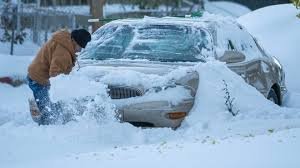
Major Winter Storm Blasts Wisconsin: What Milwaukee Residents Need to Know About the Forecast
As the first significant winter storm of the year descends upon Wisconsin, residents across the state are bracing for its impact. While northern Wisconsin prepares for what could be a historic blizzard, those tracking Milwaukee weather should also stay alert. This comprehensive guide will detail the storm’s severity, its reach across the state, and crucial advice for staying safe, whether you’re in the direct path or feeling its ripple effects in Milwaukee.
Northern Wisconsin Braces for Record Snowfall
The National Weather Service (NWS) office in Duluth, Minnesota, has issued widespread winter storm and blizzard warnings across much of northern Wisconsin. Counties like Vilas, St. Croix, Rusk, Barron, Price, Burnett, Sawyer, Washburn, Oneida, Forest, and Florence are under winter storm warnings, while the northernmost regions—Bayfield, Ashland, Iron, and Douglas counties—face severe blizzard warnings.
Snowfall totals in these areas are predicted to be staggering. Douglas and Bayfield counties could see up to 18 inches, with Ashland, Iron, and northwestern Vilas counties potentially buried under 24 to 30 inches. The city of Hurley, renowned as Wisconsin’s snowiest location, along with Ironwood, Michigan, is expected to be the ‘bulls-eye’ of this event, with snowfall possibly exceeding 30 inches. These warnings began Tuesday evening and are set to extend through Thursday morning in some locations.
The Statewide Reach: How Milwaukee Weather Could Be Affected
While the most extreme conditions are concentrated in the north, the storm’s influence extends significantly further south. The NWS has issued winter weather advisories as far south as La Crosse and Sheboygan, indicating that even areas closer to Milwaukee could experience between two to five inches of snow, coupled with gusty winds. These conditions, though not as severe as a blizzard, still demand caution.
For Milwaukee residents, direct heavy snowfall might not be the primary concern, but the statewide impact on travel and infrastructure is paramount. Anyone planning to travel north from Milwaukee between Tuesday evening and Thursday should be acutely aware of rapidly deteriorating conditions. The storm’s broad scope means that even if Milwaukee weather remains milder, disruptions from widespread travel difficulties and potential isolated power outages could still affect daily routines.
Hazardous Travel and Potential Power Outages
The NWS warns that travel will become increasingly difficult, particularly from Tuesday evening onwards. Winds gusting up to 45 mph, combined with blowing and drifting snow, will significantly reduce visibility and make roads treacherous. In blizzard warning areas, travel may become ‘near impossible’ during the storm’s peak. Gusty winds also pose a risk of bringing down tree branches, leading to isolated power outages across the affected regions.
For live updates on road conditions, especially crucial for anyone traveling across Wisconsin, refer to the 511 Wisconsin map, provided by the Wisconsin Department of Transportation (WisDOT). Planning to drive? WisDOT also offers valuable guidelines for navigating icy roads.
Essential Winter Storm Preparedness for All Wisconsin Residents
Whether you’re in a blizzard zone or simply keeping an eye on Milwaukee weather, preparedness is key. The NWS strongly advises the following during a winter storm:
- Stay Indoors: Limit travel to essential trips only.
- Stock Up: Ensure you have an adequate supply of food and water.
- Charge Devices: Keep essential electronic devices fully charged in case of power outages.
- Know Your Alerts: Understand the difference between a winter storm ‘watch’ (conditions are favorable), ‘advisory’ (winter weather expected), and ‘warning’ (severe winter weather is imminent or occurring).
If you or someone you know is without shelter during the storm, resources are available. Visit the 211 Wisconsin website or dial 211 to locate nearby warming services and assistance.
Stay informed, stay safe, and be prepared for this significant winter weather event impacting Wisconsin.



