
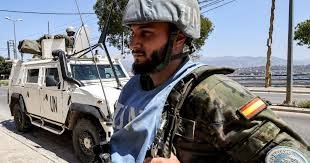
The Looming Security Void in Southern Lebanon
As the year draws to a close, a critical question looms over the Middle East: what happens to the stability of Lebanon once the United Nations Interim Force in Lebanon (UNIFIL) mandate expires? Berlin has raised a red flag, warning of a potential “security vacuum” that could destabilize the region and reignite violent conflicts.
Germany is now leading the charge, urging the European Union to step in and deploy a dedicated force to replace the UN peacekeepers. This move is seen as a strategic necessity to ensure that the withdrawal of foreign troops does not lead to renewed chaos.
Germany’s Strategic Proposal: Why an EU Mission?
Foreign Minister Johann Wadephul has emphasized that a European-led mandate is essential for two primary reasons:
- n
- Facilitating Israeli Withdrawal: Providing a secure environment that allows the Israeli military to exit southern Lebanese territories.
- Curbing Hezbollah’s Influence: Preventing the Iran-backed group, Hezbollah, from reclaiming territory and resuming “terror” operations.
The current situation remains volatile. Despite ceasefires, the Israeli military continues operations to dismantle Hezbollah’s infrastructure, while Hezbollah continues to launch attacks into northern Israel. This deadlock makes the need for a neutral, capable third party more urgent than ever.
The Decline of UNIFIL and the Need for Change
UNIFIL has been present in Lebanon since 1978, but its effectiveness has been heavily scrutinized in recent years. Critics argue that the mission failed to prevent deep Israeli incursions into Lebanese territory, particularly during recent escalations.
Under pressure from the United States, the UN Security Council agreed to end the 48-year mission. This has sparked a global debate on which mechanism can best provide relief to civilians and maintain a fragile peace.
A New Model: Training Over “Boots on the Ground”
While the proposal for an EU mission is not new, the approach might be. Unlike the traditional peacekeeping model of UNIFIL, sources in Brussels suggest that an EU operation would focus less on direct troop deployment and more on institutional support.
The goal would be to provide specialized training and resources to the Lebanese military, empowering local forces to fill the void and maintain internal security independently.
The Road to Peace: The Rome Talks
This security debate coincides with high-stakes diplomacy. Lebanon and Israel are currently engaged in a US-brokered peace process. Recent talks in Rome have focused on creating “pilot zones” in the south—areas where Israeli forces would withdraw in exchange for the disarmament of Hezbollah.
For these diplomatic efforts to succeed, a stable security framework is non-negotiable. Whether it be an EU force or a strengthened Lebanese army, the objective remains the same: preventing a total collapse of security in the south.
For more real-time updates on the conflict, you can follow reports from Al Jazeera English.



