
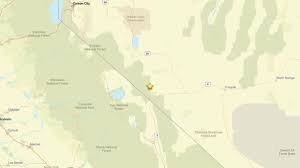
Latest Earthquake Near Me: How to Stay Informed and Safe in Real-Time
That sudden jolt or the subtle sway of a building can be a frightening experience. The first instinct for most people is to immediately reach for their smartphone and search for “latest earthquake near me”. In moments of uncertainty, having access to accurate, real-time data is not just about curiosity—it is about safety.
Whether you live in a high-risk seismic zone or a region where tremors are rare, knowing how to track seismic activity and how to react can make all the difference. In this guide, we explore the best tools for monitoring earthquakes and essential steps for emergency preparedness.
Where to Find the Latest Earthquake Information
When you need to know if a tremor was an actual earthquake, relying on official scientific sources is crucial to avoid misinformation. Here are the most reliable platforms for tracking seismic events:
- n
- Natural Resources Canada (NRCan): For those in Canada, the Earthquakes Canada portal is the gold standard for local seismic monitoring and reporting.
- USGS (United States Geological Survey): The USGS Earthquake Map provides comprehensive global coverage, offering real-time data on magnitude, depth, and epicenter locations.
- EMSC (European-Mediterranean Seismological Centre): An excellent resource for those tracking activity across Europe and Asia.
How to Use Real-Time Tracking Tools Effectively
Modern technology has made it easier than ever to stay updated. If you are frequently searching for the latest earthquake near me, consider these tips to streamline your information gathering:
- n
- Enable Mobile Alerts: Many smartphones now have built-in earthquake alert systems (such as Android Earthquake Alerts) that use accelerometer data to warn you seconds before shaking starts.
- Use Official Apps: Download apps directly linked to geological surveys to receive push notifications based on your GPS location.
- Cross-Reference Data: While social media is fast, always verify “citizen reports” with the official USGS or NRCan data before sharing information.
What to Do During an Earthquake: The Golden Rules
Knowing where the earthquake is located is helpful, but knowing how to protect yourself is vital. If you feel the ground shake, remember the “Drop, Cover, and Hold On” protocol:
- DROP down onto your hands and knees. This position protects you from being knocked over and allows you to stay low.
- COVER your head and neck with your arms. If a sturdy table or desk is nearby, crawl underneath it for shelter.
- HOLD ON to your shelter until the shaking stops. If you don’t have a table, stay low and cover your head with your arms.
Preparing Your Emergency Kit
Seismic events can happen without warning. Being prepared means having a kit ready to go. Your emergency bag should include:
- n
- Water: At least three litres per person per day.
- Non-perishable food: High-energy snacks and canned goods.
- First Aid Kit: Bandages, antiseptic, and essential medications.
- Communication Tools: A battery-powered or hand-crank radio and extra power banks for your phone.
- Lighting: Flashlights with extra batteries (avoid candles due to potential gas leaks).
Conclusion
While we cannot predict exactly when the next tremor will occur, we can control how prepared we are. The next time you find yourself searching for the latest earthquake near me, remember that knowledge is your best defense. Stay informed through official channels, keep your emergency kit updated, and always prioritize safety over curiosity.



