
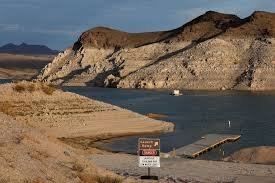
Lake Mead Hits Record Low: The Alarming Crisis of the Colorado River
In a stark reminder of the escalating climate crisis, Lake Mead, the largest reservoir in the United States, has officially plummeted to its lowest level since its creation nine decades ago. Recent data from the US Bureau of Reclamation reveals that water levels dropped to 1,040.5 feet, breaking the previous record set in July 2022.
This isn’t just a number on a chart; it is a red alert for the entire American Southwest. As the heart of the Colorado River system, the decline of Lake Mead signals a deepening disaster that threatens the stability of water and energy supplies for millions.
Why is Lake Mead Shrinking?
The crisis is not the result of a single bad year, but rather a perfect storm of environmental and systemic failures. Experts point to several key drivers:
- n
- Persistent Drought: The region has endured 25 years of chronic drought, severely limiting the river’s ability to recharge.
- Climate Change: Rising temperatures and a critical lack of winter snowpack in the Rocky Mountains have reduced runoff into the basin.
- Over-allocation: For decades, more water was promised to states and cities than the river could actually provide.
According to Sarah Porter, director of the Kyl Center for Water Policy, the lack of snowpack last winter has pushed the system into “uncharted territory,” leaving the reservoirs struggling to survive.
The Ripple Effect: More Than Just Dry Land
The impact of the Lake Mead water crisis extends far beyond the shoreline. The Colorado River is the lifeblood of the Southwest, and its decline creates a domino effect across multiple sectors:
1. Water Security for Millions
Lake Mead provides essential water to over 20 million people. As levels drop, the risk of hitting “dead pool”—where water can no longer flow downstream—becomes a terrifying possibility.
2. Energy Production
The Hoover Dam relies on the water pressure of Lake Mead to generate hydroelectric power. Falling levels jeopardize the electricity supply for approximately 700,000 homes.
3. Agriculture and Economy
The river irrigates more than 5 million acres of farmland. Without consistent water, the US agricultural output in the Southwest is under severe threat.
4. Tourism and Environment
Once a premier destination for boating and fishing, the receding waters have revealed “bathtub rings” on the rocks and unearthed grim relics of the past, damaging the local tourism economy and destroying vital wildlife habitats.
The Political Battle for Every Drop
With the river system in peril, seven US states—California, Nevada, Arizona, Utah, Wyoming, New Mexico, and Colorado—are locked in tense negotiations. The struggle is to decide who takes the biggest hit as water cuts become mandatory.
The US Bureau of Reclamation has introduced a 10-year framework to mitigate the risk, which could see lower basin states facing cuts of up to 3 million acre-feet per year. To put that in perspective, that is enough water to support roughly 9 million average American families.
Looking Ahead: Is There a Solution?
While the new operational guidelines provide some flexibility, many climate scientists argue that these measures are merely “band-aids” on a gaping wound. For a long-term recovery, the region must adapt to a new reality of climate-driven water scarcity.
The record low at Lake Mead is a wake-up call. It serves as a visible, visceral reminder that the water we once took for granted is disappearing, and the time for sustainable management is now.



