
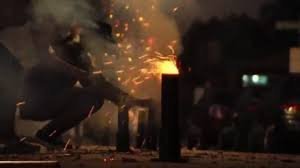
Celebrating Independence Day Safely Amidst Rising Wildfire Risks
As the United States prepares for one of its most significant July 4th celebrations in decades—marking the 250th anniversary of the country—a sobering warning is echoing from fire departments across the nation. While the spirit of “America 250” calls for grand displays of red, white, and blue, environmental conditions are making personal pyrotechnics more dangerous than ever.
From the Hialeah Fire Rescue in Florida to emergency services in the West, the message is clear: caution must come first. With severe drought and wind fueling an increase in wildfires, the traditional backyard firework show is becoming a liability.
The Critical Situation in the American West
The Western United States is currently facing a perilous combination of dry vegetation and high winds. In response, several states have taken drastic measures:
- n
- Utah: Recently banned personal fireworks displays due to extreme wildfire risks.
- Colorado & New Mexico: Governors have urged extreme moderation, with some cities, like Colorado Springs, canceling their official shows entirely.
- Pacific Northwest: Local restrictions are in place across Oregon and Washington to prevent catastrophic blazes.
According to the U.S. Drought Monitor, significant portions of the East Coast and South are also experiencing varying levels of drought, meaning no region is entirely immune to the risk of ignition.
Why Fireworks are a High-Risk Trigger
It is a common misconception that fireworks only cause fires on the hottest days. Fire ecology experts, including those from the University of Montana, point out that the spike in fires on July 4th isn’t necessarily due to the weather, but because of the massive influx of ignition sources introduced into the landscape in a single 24-hour period.
Statistically, nearly 85% of wildfires are caused by human activity. Whether it’s an unattended campfire, faulty power lines, or a misplaced firework, the human element is the primary driver of these disasters.
The Business of Pyrotechnics vs. Public Safety
The fireworks industry is booming. Last year, it generated $2.3 billion, and projections suggest it could hit $3 billion this year due to the milestone anniversary. While the economic growth is impressive, the National Fire Protection Association (NFPA) emphasizes that consumer safety must remain the priority.
Essential Safety Tips for Fireworks Users
If you live in an area where fireworks are legal and permitted, follow these critical safety guidelines to prevent accidents:
- n
- Buy from Licensed Vendors: Only purchase pyrotechnics from trusted, licensed retailers or non-profit organizations.
- The Water Bucket Rule: Always keep a large bucket of water nearby. Soak used fireworks completely before disposing of them; a lack of visible flame does not mean the item has stopped combusting.
- Follow Instructions: Read every label carefully and never attempt to re-light a “dud.”
- Respect Local Laws: Check your county’s burn bans and restrictions before lighting anything.
Modern Alternatives for a Worry-Free Celebration
The safest way to enjoy the holiday is to skip the personal fireworks and attend a professional show. Professional displays are managed by experts and are typically supported by on-site fire crews ready to respond to any emergency.
Additionally, many cities are pivoting toward drone light shows. These high-tech displays offer the same visual spectacle as fireworks but eliminate the risk of fire and reduce noise pollution, making them a sustainable choice for the modern era.
Remember, intentionally or accidentally starting a wildfire is a punishable crime across the U.S. Let’s ensure that the celebration of our nation’s history doesn’t lead to the destruction of its natural beauty.



