
The Great Rental Illusion: Why a Rising Vacancy Rate Isn’t a Cure
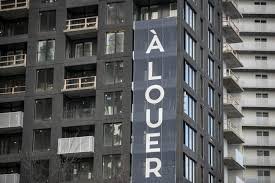
If you’ve been browsing rental listings in Montreal lately, you might have noticed something unusual: “Five appliances included” or “Two months of free rent on select units.” For those searching for a new home, these promotions feel like a breath of fresh air, suggesting that the brutal housing crisis might finally be thawing.
On paper, the numbers seem promising. The vacancy rate in Montreal has climbed back toward 3%, which is generally considered the equilibrium point between landlords and tenants. However, as any seasoned renter knows, averages can be deceiving. In the current real estate climate, we are witnessing a strange paradox: a surplus of luxury units existing alongside a desperate shortage of affordable homes.
The Divide: Luxury Surplus vs. Affordable Scarcity
The reality is that the “recovery” is not being felt equally across the board. According to data from the Canada Mortgage and Housing Corporation (CMHC), there is a significant surplus of newly constructed dwellings. In Montreal and Laval, one in ten new units sits empty.
This surge in supply is the result of several factors:
- Migration Shifts: A historical decline in population growth in Quebec during 2025 has cooled demand.
- Economic Pressure: Rising unemployment and economic uncertainty are forcing young adults to stay in their parents’ basements or seek roommates.
- Government Incentives: Past tax breaks (such as GST rebates) encouraged developers to launch massive rental projects that are only now hitting the market.
But here is the catch: these new units are prohibitively expensive. For a two-bedroom apartment in a building less than three years old, the average rent in Greater Montreal is approximately $1,984—nearly 50% higher than the average rent for existing housing ($1,346).
The “Filtering Effect”: A Solution That Takes Too Long
Economists often speak of the “filtering effect.” This theory suggests that when wealthy households move into new, high-end rentals, they vacate older, more affordable units, which then become available for lower-income tenants. While this eventually stabilizes the market, the timeline is the problem.
Experts suggest this process can take up to 20 years to fully manifest. For a young professional or a student trying to enter the workforce today, two decades is an eternity. The “trickle-down” of housing is simply too slow to solve the immediate crisis.
The Desperate Need for Social Housing
To truly tackle the housing crisis, Canada must look beyond market-rate construction. Currently, social housing represents only 3.5% of the Canadian market—roughly half the average of other OECD countries. To reach that global standard, Canada would need to build roughly 575,000 additional social housing units.
While the Société d’habitation du Québec is working on new projects, the cost is staggering—averaging nearly $392,000 per unit. In the short term, enhancing the Rent Supplement Programme (PSL) could be a more agile solution, allowing low-income households to occupy existing empty private apartments without spending a disproportionate amount of their income on rent.
Final Thoughts: Beyond the Homeownership Dream
The storm may be dissipating for some, but the damage remains for many. A dangerous trend persists where governments prioritize homeownership subsidies, which often inadvertently drive prices higher and widen the wealth gap between owners and renters.
The housing crisis isn’t over; it has simply evolved. The challenge for the future is not just to build more, but to build diversely—ensuring that high-quality, accessible housing is available for every budget, not just the elite.



