
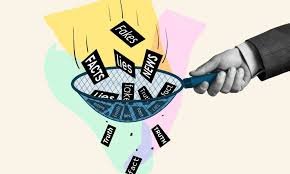
The Information Bubble: Is Your News Feed Truly Balanced?
In an era where most of us rely on a handful of apps to stay informed, the question of algorithmic neutrality has never been more critical. A recent bombshell study by AllSides has sparked a fierce debate regarding whether major news aggregators—specifically Google News, Bing News, and Apple News—are providing a balanced view of current events or steering users toward a specific political ideology.
The Data: A Lean Toward the Left
The analysis conducted by AllSides, which utilizes a multi-partisan panel and blind surveys to rate media bias, focused on human-curated sections like “Top Stories” and “U.S. News.” The findings suggest a significant imbalance in how content is distributed.
The statistics for the sampled periods in late 2025 reveal a stark contrast:
- n
- Google News: Only 1% of articles came from right-leaning outlets, while 73% were sourced from left-leaning ones, earning it a bias ratio of -1.62 (the most skewed in the study).
- Bing News: Featured 5% right-leaning and 72% left-leaning content.
- Apple News: Showed 2% right-leaning and 50% left-leaning sources.
- Yahoo News: Posted 2% right-leaning and 53% left-leaning content.
Why This Matters for the American Public
Critics argue that when these platforms act as the primary gateway to information for millions, a lack of balance can have profound societal effects. Julie Mastrine, director of AllSides’ media bias rating system, warns that failing to provide diverse feeds prevents citizens from “considering multiple views and thinking independently.”
Mark Grabowski, communications department chair at Adelphi University, described the data as “damning,” especially for tech giants that have long maintained a stance of strict neutrality. Similarly, the Media Research Center has echoed these concerns, noting that users may be exposed to skewed narratives without even realizing it.
The Defense: Personalization vs. Bias
As expected, the tech giants have pushed back against these conclusions. A spokesperson for Google News disputed the AllSides report, claiming the study relied on a “tiny two-week snapshot” and arbitrary ratings. Google emphasizes that personalization—based on individual user interests and behavior—plays a much larger role in shaping results than any editorial bias.
Apple and Yahoo have followed suit, stating that their trending sections are driven by readership data and partnerships with a wide spectrum of ideological outlets rather than manual editorial selection.
Searching for Balance: The Alternatives
While the major players face scrutiny, other aggregators are being recognized for their neutrality. According to the updated ratings, SmartNews and NewsBreak have moved into the “Center” category. Other balanced options include:
- RealClearPolitics: Rated Center (0.17).
- AllSides: Rated Center (0.09).
The controversy arrives at a time of heightened scrutiny from federal regulators and the administration, highlighting a growing demand for transparency in how the algorithms that shape our worldview actually operate.
Final Thoughts: The Importance of Digital Literacy
Whether the bias is intentional or a byproduct of complex algorithms, this study serves as a reminder to diversify your news sources. To avoid the “filter bubble,” consider using multiple aggregators and seeking out perspectives from across the political spectrum to form a more complete picture of the world.



