
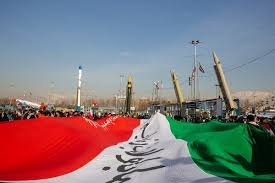
Understanding the Scale and Reach of Iran’s Missile Capabilities
In recent years, the global spotlight has frequently turned toward the Middle East, with a specific focus on Iran missiles and their role in regional stability. As one of the most advanced missile programs in the region, Iran’s capabilities have become a central point of debate among defense analysts, policymakers, and international bodies.
But what exactly makes Iran’s missile program so significant? To understand the current geopolitical tension, it is essential to dive into the technology, the strategy, and the international response to these weapons systems.
The Anatomy of Iran’s Missile Program
Iran has invested heavily in developing a diverse array of delivery systems. Unlike many nations that rely solely on air power, Iran has pivoted toward a sophisticated missile strategy to project power and ensure deterrence. Their arsenal primarily consists of two types of systems:
- n
- Ballistic Missiles: These are designed for long-range strikes, capable of reaching targets deep within the Middle East and potentially beyond. These missiles follow a parabolic trajectory and are difficult to intercept.
- Cruise Missiles: These fly at lower altitudes and follow a more flexible path, making them harder to detect via radar and highly effective for precision strikes.
Strategic Implications for Global Security
The development of Iran missiles is not just a matter of technological pride; it is a calculated strategic move. By diversifying its arsenal, Iran aims to create a “deterrence umbrella,” ensuring that any external aggression would be met with a devastating response.
Furthermore, the proliferation of this technology to non-state actors and regional allies has shifted the balance of power. This “proxy strategy” allows Iran to exert influence across the region without engaging in direct conventional warfare.
International Response and Diplomacy
The international community, led largely by the United States and its allies, has responded with a combination of strict sanctions and advanced defense systems. The deployment of missile defense shields, such as the strategic defense initiatives monitored by global news agencies, aims to mitigate the threat posed by ballistic trajectories.
Diplomatically, the focus has remained on arms control agreements. Organizations like the Arms Control Association emphasize the importance of transparency and verification to prevent a regional arms race that could lead to catastrophic escalation.
Conclusion: The Path Forward
The complexity of the situation surrounding Iran missiles highlights the delicate balance between national security and regional peace. As technology evolves, the challenge for global diplomacy will be to find a sustainable path toward disarmament and stability in a volatile region.
Whether through renewed diplomatic channels or enhanced defense cooperation, the goal remains the same: ensuring that the Middle East moves away from the brink of conflict and toward a future of cooperative security.



