
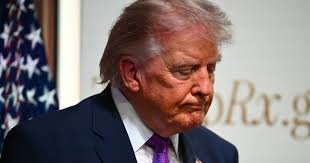
The Brink of Conflict: US Pauses Planned Strike on Iran Amid Urgent Diplomacy
The geopolitical landscape of the Middle East remains on a knife-edge. In a sudden turn of events, US President Donald Trump has announced a pause in a planned military assault on Iran. This decision comes following intense pressure from Gulf leaders and the emergence of a new peace proposal submitted by Tehran via Pakistan.
While the immediate threat of a large-scale attack has subsided, the rhetoric remains fierce. Trump has warned that “the clock is ticking” for Iran, emphasizing that while negotiations are currently taking place, the US military remains poised for a full-scale operation should an acceptable agreement fail to materialize.
A Fragile Peace: The Current State of Hostilities
Since a temporary ceasefire began on April 8, the region has seen a decrease in direct armed conflict. However, this stability is precarious. Recent drone attacks targeting Saudi Arabia and the Barakah Nuclear Energy Plant in the United Arab Emirates have reignited fears of a rapid military escalation.
Current tensions are driven by a fundamental disagreement over the terms of a durable peace. Both Washington and Tehran have exchanged multiple proposals, yet a final deal remains elusive.
Iran’s 14-Point Peace Plan: What is on the Table?
According to reports from the Tasnim news agency, Iran has submitted a revised 14-point plan to end the war. While the full document remains confidential, key Iranian demands include:
- n
- Lifting of International Sanctions: The removal of economic barriers that have crippled the Iranian economy.
- Release of Frozen Assets: Access to funds currently held in overseas accounts.
- End to Naval Blockades: A halt to the US naval blockade of Iranian ports.
- Regional Cessation of Hostilities: An end to fighting on all fronts, specifically addressing the ongoing Israeli ground invasion in southern Lebanon.
The Nuclear Deadlock and the ‘Russian Option’
One of the most contentious issues in the International Atomic Energy Agency (IAEA) monitored sectors is Iran’s stockpile of enriched uranium. With approximately 440kg of uranium enriched to 60%, Iran is dangerously close to the 90% threshold required for nuclear weapons.
The US is demanding the complete handover of this stockpile. However, Iranian diplomat Abbas Araghchi has indicated a potential compromise: storing the enriched material in Russia. This “Russian option” is currently being discussed as a way to break the diplomatic deadlock.
The Strait of Hormuz: A Global Economic Chokepoint
Beyond nuclear concerns, the Strait of Hormuz remains a critical flashpoint. As a narrow waterway carrying roughly 20% of the world’s crude oil and liquefied natural gas (LNG), any disruption here has immediate global economic consequences.
Iran has restricted shipping and suggested charging tolls for transit, a move the US categorically rejects. Experts from the International Crisis Group suggest that both nations may be operating under the illusion that time is on their side, using blockades to pressure the other into submission.
Conclusion: Diplomacy or Disaster?
The world watches closely as the US and Iran navigate this dangerous game of brinkmanship. Whether the current “serious negotiations” will lead to a sustainable peace or simply serve as a prelude to a larger conflict remains to be seen. For now, the region holds its breath, hoping that diplomacy can outweigh the impulse for war.



