
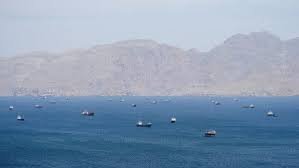
Iran War and the Strait of Hormuz: Why the Latest Peace Proposal Was Rejected
The geopolitical tension in the Middle East has reached a critical juncture. Recent reports indicate that a potential breakthrough to end the Iran war and stabilize one of the world’s most vital maritime arteries, the Strait of Hormuz, has hit a significant roadblock.
The Proposal: A Path to Peace or a Strategic Omission?
In a high-stakes attempt to de-escalate conflicts, Iran presented a proposal aimed at reopening the Strait of Hormuz and bringing an end to the ongoing hostilities. The offer included a key demand: the United States must end its naval blockade to allow for the free flow of commerce and transit.
However, the proposal came with a glaring omission that proved to be a deal-breaker for the U.S. administration. The Iranian offer completely bypassed the contentious issue of Iran’s nuclear program, offering no concessions regarding the enrichment of uranium or the oversight of nuclear facilities.
Why the United States Said No
President Trump has reportedly expressed dissatisfaction with the terms. For the U.S. government, the priority remains clear: Iran cannot possess nuclear weapons. The refusal to address the nuclear stockpile of highly enriched uranium represents a “red line” that the White House is unwilling to cross.
Beyond the strategic security concerns, sources suggest that accepting a deal that ignores nuclear proliferation could be perceived as a political failure, denying the administration a definitive victory in its campaign to curb Tehran’s ambitions.
Key Points of Contention:
- n
- The Naval Blockade: Iran seeks an immediate end to U.S. maritime restrictions.
- Strait of Hormuz: The strategic necessity of keeping this oil-rich corridor open to global trade.
- Nuclear Ambitions: The U.S. demand for the suspension of uranium enrichment.
- Diplomatic Leverage: The struggle between ending a hot war and securing long-term regional stability.
The Global Impact of the Strait of Hormuz
The Strait of Hormuz is not just a local flashpoint; it is a global economic chokepoint. As a primary route for oil exports from the Persian Gulf, any prolonged instability or closure could lead to a surge in global energy prices, impacting economies worldwide. You can learn more about the strategic importance of maritime corridors via the International Maritime Organization (IMO).
What Happens Next?
While the latest proposal was rejected, the White House has indicated that discussions are not entirely closed. A spokeswoman for the White House emphasized that the U.S. will not negotiate through the press and will only agree to a deal that serves the best interests of the American people and global security.
As the world watches, the standoff remains a delicate balance between the threat of expanded warfare and the hope for a comprehensive diplomatic solution that addresses both the Iran war and the nuclear threat.



