
The Brink of Escalation: US-Iran Relations in 2026
The geopolitical landscape is currently dominated by the intensifying conflict between the United States, Israel, and Iran. From military blockades in the Persian Gulf to fierce diplomatic maneuvering in Beijing, the world is witnessing a high-stakes struggle that threatens global economic stability and regional peace.
Recent developments in the US Senate highlight a deepening divide over military authority. In a narrow vote, the Senate rejected a Democratic effort to limit President Trump’s ability to deploy military force against Iran. While most Republicans stood firm, a few, including Senators Rand Paul and Susan Collins, voiced concerns over the need for more clarity from the administration regarding the War Powers Resolution.
Energy Chaos: The Strait of Hormuz and Global Inflation
One of the most critical flashpoints is the Strait of Hormuz. Tehran has effectively restricted this vital waterway, through which a fifth of the world’s energy supplies typically flow. This move has sent shockwaves through the global economy:
- n
- Oil Supply Disruptions: According to the International Energy Agency (IEA), strategic oil reserves are being tapped at a record pace to counter unprecedented supply shortages.
- Jet Fuel Shortages: The European Union has warned of potential long-term shortages in jet fuel, leading major airlines like Lufthansa to cancel numerous flights.
- US Economic Pressure: The conflict is hitting American pockets. The Bureau of Labor Statistics (BLS) reported a sharp rise in the Producer Price Index (PPI) and Consumer Price Index (CPI), with gasoline prices jumping over 28% annually.
Regional Warfare: Israel, Lebanon, and the Fragile Ceasefire
While the US and Iran clash, the ripple effects are devastating in Lebanon. Despite a US-brokered ceasefire in April, violence persists. Israeli airstrikes have targeted Hezbollah infrastructure, resulting in significant casualties, including civilians. Meanwhile, the United Nations (UNIFIL) has expressed growing concern over the proximity of military operations to peacekeeping bases, warning that both IDF and Hezbollah forces are putting UN personnel at risk.
In a surprising diplomatic twist, Israeli Prime Minister Benjamin Netanyahu recently made a secret visit to the United Arab Emirates, resulting in what his office called a “historic breakthrough” in bilateral relations.
The Diplomacy Game: China’s Role and Iran’s Demands
President Trump’s recent visit to Beijing underscores the complexity of the situation. While Trump has intimated that he does not need China’s help to resolve the Iran crisis, Beijing is pushing for a peaceful resolution. Chinese Foreign Minister Wang Yi has urged Pakistan to step up its mediation efforts to reopen the Strait of Hormuz.
Iran has set five non-negotiable preconditions for resuming peace talks:
- The complete lifting of all economic sanctions.
- Compensation for war-related damages.
- The release of frozen financial assets.
- A total end to conflicts on all fronts, including the Israel-Hezbollah war.
- International recognition of Iranian sovereignty over the Strait of Hormuz.
The Human Contrast: IRGC Drills vs. World Cup Dreams
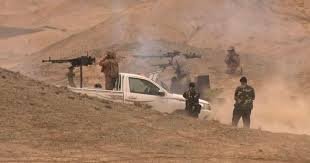
The internal state of Iran presents a stark contrast. While the Islamic Revolutionary Guard Corps (IRGC) conducts “Martyr Commander” drills to signal readiness for a US attack, the Iranian national soccer team is struggling with visa issues. The team’s hope to compete in the upcoming World Cup in the US, Canada, and Mexico hangs in the balance, as US Secretary of State Marco Rubio warned that individuals with links to the IRGC may face entry restrictions.
Ultimately, the world remains on edge. Between the naval blockades, surging inflation, and the fragile hope of diplomacy, the Iran USA news cycle continues to be a barometer for global stability in 2026.



