
Understanding the Impact of Recent Iran Strikes
The geopolitical landscape of the Middle East has once again been thrust into the spotlight following a series of Iran strikes. These events have sparked international concern, raising critical questions about regional stability, the potential for a wider conflict, and the subsequent effects on global energy markets.
To understand the gravity of the current situation, it is essential to look beyond the immediate military actions and analyze the underlying tensions that have led to this escalation.
The Catalyst: Why the Escalation?
The recent surge in hostilities is not an isolated incident but rather the result of long-standing frictions. Key drivers include:
- n
- Regional Hegemony: The ongoing struggle for influence between major regional powers.
- Proxy Conflicts: The role of non-state actors and affiliated groups in triggering direct confrontations.
- Diplomatic Deadlocks: The failure of nuclear negotiations and the imposition of stringent economic sanctions.
Global Security and International Response
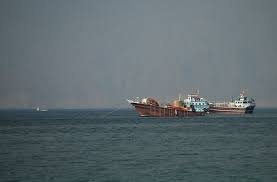
The international community, led by the United Nations and various Western allies, has called for restraint to avoid a full-scale war. The security implications are vast, as any further escalation could threaten critical shipping lanes in the Strait of Hormuz, a vital artery for global oil supplies.
For a detailed breakdown of the diplomatic efforts to curb this violence, you can follow live updates from Reuters, a leading source for global breaking news.
Economic Implications: Oil and Markets
Whenever Iran strikes make headlines, the financial markets react almost instantaneously. The primary concern for economists is the volatility of crude oil prices. Because a significant portion of the world’s petroleum passes through the Middle East, any threat to infrastructure or transport routes leads to:
- Price Spikes: Immediate increases in gas prices at the pump globally.
- Market Instability: Fluctuations in stock markets as investors move toward “safe-haven” assets like gold.
- Supply Chain Disruptions: Increased costs for shipping and logistics.
What to Expect Moving Forward
The coming weeks will be decisive. Analysts suggest that the trajectory of the conflict will depend on whether the involved parties opt for de-escalation through diplomacy or continue a cycle of retaliation.
As we monitor the situation, it is crucial to rely on verified intelligence and official statements to avoid the spread of misinformation during these high-tension periods.



