
Iran Attacks and Middle East Escalation: US and Saudi Arabia Strike Back
The fragile stability of the Middle East has once again been shaken. In a significant escalation of regional hostilities, the United States and Saudi Arabia have joined forces to conduct targeted airstrikes against Iran-backed militias operating within Iraq. This joint military action comes as a direct response to a series of aggressive maneuvers orchestrated by Tehran’s proxies.
A Unified Response to IRGC Provocations
According to the U.S. Central Command (Centcom), the strikes specifically targeted “Iran-aligned terrorists” directed by the Islamic Revolutionary Guard Corps (IRGC). These groups were allegedly tasked with attacking U.S. military personnel and critical Saudi energy infrastructure.
While the official statement did not name the specific militia, the Popular Mobilisation Forces (PMF)—an umbrella organization for pro-Iranian groups—confirmed that at least 10 of its members were killed in the raids. The US and Saudi fighter jets focused on logistics and weapons sites across eastern Iraq, responding to over 30 drone attacks launched by the IRGC in just 72 hours.
Iran’s Retaliation and the Battle for the Strait of Hormuz
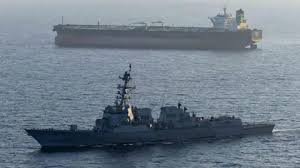
The conflict intensified further when Iran launched multiple ballistic missiles in what Centcom described as an “attempted surprise attack” on American forces. Although the U.S. claims all missiles were successfully intercepted, the tension remains high. Iran has specifically targeted a U.S. base in Jordan and claimed to have struck three oil tankers in the Strait of Hormuz, a vital artery for global energy shipments.
The PMF has condemned the US-Saudi response as a “dangerous escalation” and a clear violation of Iraqi sovereignty, further highlighting the complex proxy war being fought on Iraqi soil.
Economic Shockwaves: Oil Prices on the Rise
The geopolitical instability has immediately translated into economic volatility. As fears grow that the Iran attacks could disrupt energy flow through the Strait of Hormuz, global oil markets have reacted sharply:
- n
- Brent Crude: Surged by 4.3%, reaching approximately $87.70 a barrel.
- US-Traded Oil: Increased by 4.2%, climbing to $82.62.
Industry analysts suggest that any prolonged disruption in this region could lead to significant price hikes for consumers worldwide, as energy shipments remain vulnerable to military interference.
The Political Paradox: Negotiations vs. Warfare
Perhaps the most striking aspect of this escalation is the timing. These strikes occurred shortly after President Donald Trump mentioned “very friendly negotiations” with Iran, following a brief three-day pause in hostilities. This contradiction underscores the volatile nature of current diplomatic efforts.
The timing also coincided with Israeli Prime Minister Benjamin Netanyahu’s visit to Washington, adding another layer of complexity to the regional power struggle. With over 600 US military personnel wounded since February, the Pentagon continues to monitor Operation Epic Fury and other overseas operations closely.
Conclusion: A Region on the Edge
As the U.S. warns the IRGC to cease its proxy attacks to avoid further military responses, the world watches closely. The intersection of military strikes, diplomatic ambiguity, and energy insecurity makes this one of the most precarious moments for Middle Eastern stability in recent years.
Stay updated on the latest geopolitical shifts by following authoritative sources like Reuters for real-time global news.



