
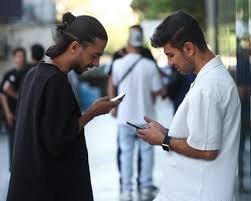
The Flicker of Connectivity: Return to a Digital Prison
For 88 days, a vast silence blanketed Iran. A near-total internet blackout severed millions from the world, turning smartphones into useless pieces of glass and isolating a nation in its darkest hour. When connectivity finally flickered back to life on a Tuesday afternoon, the world saw it as a victory. But for those on the ground, the return of the internet was not a cause for celebration—it was a flood of grief.
As messages, images, and poems began to stream through long-delayed feeds, the atmosphere was not one of joy, but of profound skepticism and anxiety. For many, the digital reconnection felt less like liberation and more like a temporary furlough from a prison.
Beyond the Headlines: The Illusion of Freedom
While global news outlets reported the partial restoration of services as a positive step, Iranian citizens described the narrative as “nauseating.” For photographers, freelancers, and artists, the partial access is a cruel joke. Many still find themselves unable to work, with mobile data remaining erratic and essential tools like WhatsApp barely functioning.
The struggle to stay connected has pushed many toward costly VPNs and satellite links, creating a digital divide where only the wealthy can afford a glimpse of the outside world. As one student poignantly posted on Instagram: “Hello, fellow prisoners. I feel like I am on a temporary leave from prison.”
The Rise of the ‘Filternet’ and State Surveillance
One of the most concerning developments is the introduction of “Internet Pro.” Approved by Iran’s national security council, this limited connectivity is viewed by activists not as a service, but as a trap. The term “filternet” has emerged to describe a controlled environment where the regime can monitor citizens more effectively.
- Controlled Access: Shifting users toward government-approved platforms.
- Enhanced Monitoring: Using “tunnels” to track dissent and identify protesters.
- Psychological Warfare: Giving a taste of connectivity to create a false sense of stability.
For those who have faced arrest, the return of the internet is a reminder that the eye of the state is now wider and more focused than ever.
A Digital Archive of Loss
The most heartbreaking aspect of the restoration is the archive of tragedy that awaited users. Scrolling through social media became an exercise in mourning. Videos of funerals, images of children lying on graves, and the screams of grieving parents flooded the feeds of those who had been offline.
For many, the internet did not bring news of hope, but a consolidated record of everything they had lost: their livelihoods, their youth, and their trust in the international community. As one professor noted, “What truly came back online is our misery, not freedom.”
The Global Context: A Disconnect in Diplomacy
The blackout and its partial reversal are inextricably linked to geopolitical tensions, including strikes involving the US and Israel. However, the Iranian people feel abandoned by all sides. There is a growing bitterness toward international leaders who promised help but delivered little more than rhetoric.
To understand more about how global connectivity is used as a weapon, you can explore the reports by Amnesty International on digital rights or track real-time outages via NetBlocks, the leading authority on internet shutdowns.
Ultimately, the situation in Iran serves as a stark reminder that internet access is not a luxury—it is a fundamental human right. When that right is weaponized, the “return” of the service is often just another layer of control.



