
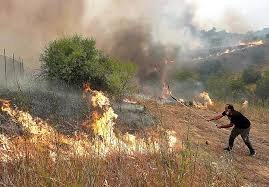
A Region in Flames: The Crisis in the Sierra
The western Sierra of Madrid and the eastern province of Ávila have recently been transformed into a landscape of devastation. Four massive forest fires, fueled by extreme weather conditions, converged to create a catastrophic “pandemonium,” incinerating nearly 20,000 hectares of forest and wildlife. The scale of the disaster is unprecedented, forcing the evacuation of over 40,000 citizens and leaving another 20,000 confined in their homes as the flames surged without control.
A Historic Level 3 Emergency
For the first time in Spanish history, authorities were forced to declare a Level 3 Emergency. This critical designation shifted the management of the crisis to the central government, as local resources were completely overwhelmed. The situation was so dire that Spain activated the European solidarity mechanism, receiving urgent aerial support from Copernicus and firefighting aircraft from Italy and Greece to combat the monstrous blaze.
Isabel Díaz Ayuso, President of the Community of Madrid, described the event as the “most serious in the history of Madrid,” emphasizing that the fires were simply beyond the existing capacity of extinction efforts.
The “Perfect Storm”: Why the Sierra Burned
Experts point to a lethal combination of factors that allowed the fire to spread with terrifying speed. The conditions were a textbook example of a climate-driven disaster:
- Extreme Temperatures: Days with heat exceeding 40°C (104°F).
- Violent Winds: Gusts of up to 60 km/h that pushed the fire fronts toward each other.
- Environmental Dryness: A lack of humidity that turned the landscape into tinder.
- Neglected Forests: Massive areas of “virgin” forest, left untouched by agriculture or livestock, provided an endless supply of fuel.
Furthermore, human error played a role; in Burgohondo (Ávila), the use of heavy machinery—prohibited during such weather—sparked one of the most aggressive fronts, which quickly grew to eight kilometers in length.
A Wake-Up Call for Environmental Policy
While the coordination between the central government and regional authorities was described as “perfect” by Minister Marlaska, experts argue that reaction is not enough. There is a growing demand for a National Forest Fire Prevention Strategy to replace the current fragmented approach of regional governments.
The United Nations has repeatedly warned that climate change is intensifying the frequency and severity of such wildfires. In Spain, an estimated 62% of the national territory is currently at extreme risk, highlighting a systemic failure in infrastructure and personnel investment.
Looking Ahead: The Risk Remains
As the smoke reached cities like Tres Cantos—over 90 kilometers away—the disaster served as a grim reminder of the vulnerability of the Sierra region. With the threat of fires creating their own weather systems (pyrocumulonimbus clouds), the battle against the flames has become a race against a changing planet. The priority now remains saving human lives and rethinking how Spain protects its natural heritage before the next spark ignites.



