
Youth Uprising in Delhi: The Fight Against India’s Broken Exam System
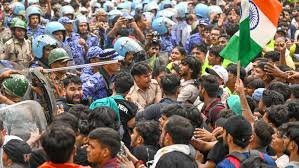
The streets and public parks of India’s capital have transformed into a battlefield of hope and frustration. In one of the largest demonstrations seen in years, thousands of young protesters—primarily from Gen-Z—have taken to the streets to demand an urgent overhaul of a national exam system they claim is rigged against them.
Clashes in the Heart of Democracy
What began as a plea for fairness quickly escalated into a violent confrontation. As students attempted to bring their grievances to the parliament building, they were met not with dialogue, but with tear gas, batons, and police aggression. The crackdown has left approximately 150 protesters hospitalized, while Delhi police report 118 officers injured during the unrest.
Adding to the tension, the government ordered internet shutdowns to stifle the spread of information. However, raw footage of the police violence leaked across social media, sparking global outrage and fueling the resolve of those remaining in the streets.
The Root of the Rage: Leaked Exams and Lost Futures
At the center of the unrest is a systemic failure in India’s highly competitive education landscape. For many students, these exams are the only gateway to a stable career, particularly in prestigious medical schools. However, allegations of exam paper leaks and sales have turned years of hard work into a nightmare.
- n
- Systemic Failure: Recurring technical glitches and leaks have placed immense financial and emotional strain on families.
- Broken Promises: Students like Sudhir Kumar, who spent a year preparing for medical school admissions, describe the heartbreak of discovering the process was “rigged” on the day of the exam.
- High Stakes: With youth unemployment remaining stubbornly high, the stakes for these exams are a matter of survival, not just education.
The Rise of the ‘Cockroach Janta Party’ (CJP)
Interestingly, the movement is spearheaded by the Cockroach Janta Party (CJP). Founded by Boston University graduate Abhijeet Dipke, the party began almost as a satirical response to comments made by India’s chief justice, which many interpreted as referring to unemployed youth as “cockroaches.”
What started as a joke has evolved into a potent political force. The CJP now articulates the shared frustrations of millions of young Indians who feel invisible and undervalued by the current administration.
A Political Standoff: Modi Under Pressure
The protests have set the stage for a direct confrontation with Prime Minister Narendra Modi’s government. Critics argue that over a decade of power, the administration has increasingly crushed dissent. While the government has promised to prevent future leaks, the response has been largely indirect.
The political tension has expanded beyond the students. Rahul Gandhi, leader of the main opposition, was briefly detained after staging a sit-in outside the Prime Minister’s residence, calling for his resignation.
Looking Ahead: Will the System Change?
For the protesters camped at the historic Jantar Mantar observatory, a simple change of ministers is no longer enough. The movement is shifting toward a demand for total institutional transparency and, for some, the resignation of the Prime Minister himself.
As long as the youth feel their futures are being sold to the highest bidder, the unrest in Delhi is unlikely to fade. For more on global political shifts and human rights, you can explore reports from BBC News India or Reuters India.



