
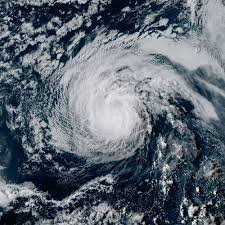
Hurricane vs. Tropical Storm: Understanding the Power of Nature
When hurricane season rolls around, the news is often filled with terms like “tropical depression,” “tropical storm,” and “hurricane.” While they might sound similar, these terms describe very different levels of intensity and potential danger. Understanding the distinction isn’t just a matter of vocabulary—it’s a crucial part of emergency preparedness.
In this guide, we will break down the science behind these weather events and provide actionable tips to keep you and your family safe.
What Exactly is a Tropical Storm?
A tropical storm is a compact, organized system of clouds and thunderstorms with a defined circulation. The primary differentiator between a tropical storm and a tropical depression is wind speed.
- n
- Wind Speed: A storm is classified as a tropical storm when its maximum sustained winds reach between 39 and 73 mph (63–118 km/h).
- Impact: While not as destructive as a hurricane, tropical storms can still cause significant flooding, power outages, and structural damage to weak buildings.
- Naming: This is the stage where a storm officially receives a name from the World Meteorological Organization.
When Does it Become a Hurricane?
A tropical storm evolves into a hurricane when the atmospheric conditions—such as warm ocean waters and low wind shear—allow the system to intensify further.
A storm is officially upgraded to a hurricane when sustained winds reach 74 mph (119 km/h) or higher. Once it reaches this threshold, hurricanes are categorized using the Saffir-Simpson Scale, ranging from Category 1 (minimal) to Category 5 (catastrophic).
Key Differences at a Glance
| Feature | Tropical Storm | Hurricane |
|---|---|---|
| Wind Speed | 39–73 mph | 74+ mph |
| Structure | Organized circulation | Distinct “eye” and eyewall |
| Potential Danger | Heavy rain & flooding | Storm surge & severe wind damage |
Essential Safety Tips for Storm Season
Regardless of whether the forecast calls for a tropical storm or a major hurricane, preparation is the key to survival. Here are the essential steps you should take:
- n
- Build an Emergency Kit: Include non-perishable food, water (one gallon per person per day), flashlights, batteries, and a first-aid kit.
- Secure Your Home: Install storm shutters or board up windows. Clear gutters and remove outdoor furniture that could become projectiles in high winds.
- Stay Informed: Monitor official updates from the National Hurricane Center (NHC) for the latest tracking and warnings.
- Know Your Evacuation Zone: Determine if your home is in a flood-prone area and identify the nearest emergency shelters via Ready.gov.
Conclusion
While the terms hurricane and tropical storm are often used interchangeably in casual conversation, the difference in their power is immense. By understanding these categories and preparing in advance, you can significantly reduce the risk to your property and your loved ones.
Stay safe, stay informed, and always follow the guidance of your local authorities during extreme weather events.



