
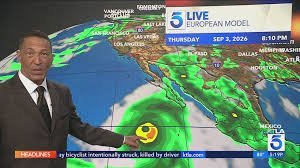
Can a Hurricane Actually Hit California? The Truth Behind the Trend
Whenever the phrase hurricane california starts trending, it sparks a wave of anxiety and curiosity across the West Coast. For residents of the Golden State, the idea of a massive swirling storm making landfall feels more like a movie plot than a weather forecast. But is it scientifically possible, or just a digital myth?
While California is far more accustomed to wildfires and droughts, the shifting patterns of global weather have many wondering if the state is becoming a new target for tropical cyclones. Let’s dive into the science, the risks, and what you actually need to worry about.
The Science: Why Hurricanes Rarely Reach California
To understand why a full-scale hurricane is unlikely to strike the West Coast, we have to look at the ocean. Hurricanes thrive on warm ocean waters (typically above 80°F or 26.5°C). The waters off the coast of California are famously cold due to the California Current, which brings chilly water down from the North Pacific.
When a tropical storm moves toward California, it usually encounters this “cold wall,” which effectively starves the storm of its energy, causing it to weaken rapidly before it can cause hurricane-level destruction.
Tropical Storms vs. Hurricanes: The Fine Line
Although a Category 5 hurricane is nearly impossible, tropical storms and their remnants do occasionally reach California. These systems can bring devastating amounts of rain, leading to:
- Flash Floods: Sudden surges of water in urban and rural areas.
- Mudslides: Particularly dangerous in mountainous regions after prolonged droughts.
- High Winds: Capable of knocking down power lines and trees.
A prime example is the rare occurrence of tropical depressions that merge with mid-latitude storms, creating what meteorologists call “extratropical transitions.”
Does Climate Change Increase the Risk?
The big question is: Is the trend of “hurricane california” becoming a reality due to global warming?
As ocean temperatures rise globally, the “warm pools” of water are expanding. While the California Current still provides a buffer, scientists warn that a warmer Pacific could potentially allow tropical systems to maintain their strength longer as they move north. This doesn’t mean we’ll see Florida-style hurricanes tomorrow, but it does mean the probability of extreme weather events is increasing.
How to Stay Prepared for Extreme Weather in California
Regardless of whether it’s a tropical storm, an atmospheric river, or a wildfire, preparedness is key. To keep your family safe, follow these strategic steps:
- Stay Informed: Follow the National Hurricane Center (NHC) and local weather alerts.
- Build an Emergency Kit: Include water, non-perishable food, a flashlight, and a first-aid kit.
- Create a Communication Plan: Ensure everyone in your household knows where to meet if evacuations are ordered.
- Secure Your Home: Clean gutters and trim overhanging tree branches to prevent damage during high winds.
Final Thoughts
While the fear of a hurricane in California may be largely unfounded based on historical data, the reality of a changing climate means we cannot be complacent. By understanding the difference between a tropical depression and a hurricane, and by staying prepared, you can face any storm with confidence.



