
The Escalation: Houthis Launch Naval Blockade Against Saudi Arabia
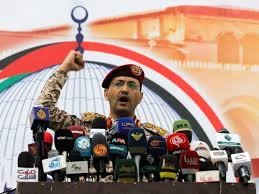
In a move that has sent shockwaves through international diplomatic and energy circles, the Houthis (officially known as Ansar Allah) have declared an immediate naval blockade against Saudi Arabia. This bold strategic pivot comes as a direct response to recent hostilities, specifically an attack on the Sanaa International Airport, marking a volatile new chapter in the long-standing conflict in Yemen.
The group described their action as an “eye for an eye” strategy, asserting their right to respond to perceived sieges with their own maritime restrictions. For nearly 12 years, the Houthis have accused Saudi leadership of imposing oppressive blockades on Yemen’s land, sea, and air routes, claiming that their current move is a necessary act of retaliation.
The Geopolitical Chessboard: Why This Matters
This escalation is not happening in a vacuum. The conflict is deeply intertwined with broader regional tensions, particularly the ongoing standoff between the United States and Iran. As these powers clash over the Strait of Hormuz, the Houthi blockade adds another layer of instability to an already fragile global energy market.
Key points of the current conflict:
- The Trigger: An attack on Sanaa International Airport sparked the Houthi declaration.
- The Retaliation: In addition to the blockade, the Houthis have launched ballistic missiles at Saudi Arabia’s Abha International Airport.
- The Alliances: The Houthis remain aligned with Iran, while Saudi Arabia leads a coalition supporting Yemen’s internationally recognized government.
The Bab al-Mandeb Strait: A Global Economic Chokepoint
The true danger of this blockade lies in the geography. The Bab al-Mandeb Strait, which connects the Red Sea to the Gulf of Aden, is one of the most critical maritime arteries in the world. At its narrowest point, it is only 29km wide, making it an easy target for disruption.
The economic implications are staggering. In 2024, approximately 4.1 billion barrels of crude oil and refined products passed through this strait. If the Bab al-Mandeb is shut down in tandem with the Strait of Hormuz, it could potentially block up to 25% of the world’s total oil and gas supply, leading to unpredictable spikes in global fuel prices.
Saudi Arabia’s Strategic Response: The ‘Petroline’ Solution
To mitigate the risk of a total export collapse, Saudi Arabia has leaned heavily on its East-West pipeline, commonly known as the Petroline. This 1,201km engineering marvel transports oil from the Abqaiq field in the east to the Red Sea port of Yanbu in the west.
Recent data from Reuters and shipping analysts indicate a massive surge in shipments from Yanbu, averaging four million barrels per day—a significant increase from previous years. However, while the pipeline bypasses the land blockade, the oil must still navigate the Bab al-Mandeb Strait to reach Asian markets, leaving the kingdom vulnerable to Houthi maritime interference.
What’s Next for Global Energy?
As the Houthis call for general mobilization and a “call to arms,” the international community remains on edge. The transition from terrestrial warfare to a systematic naval blockade signals a dangerous escalation that could disrupt global commerce and energy security for months to come.



