
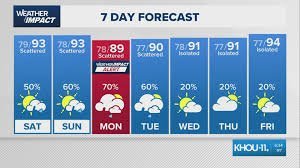
Understanding the Dynamic Nature of Houston Weather
If you are planning a visit to the Space City or considering a move to the Bayou City, the first thing you need to prepare for is the Houston weather. Known for its intensity, humidity, and unpredictable shifts, the climate in Houston is a defining characteristic of life in Southeast Texas.
From scorching summers to the occasional unexpected frost, knowing what to expect can make all the difference in your daily comfort and safety. Let’s dive into the seasonal patterns that shape this vibrant metropolis.
The Seasonal Breakdown: What to Expect
Houston’s climate is classified as humid subtropical, meaning you’ll experience a wide range of weather patterns throughout the year.
- n
- Summer (June to August): This is when Houston truly earns its reputation. Expect high temperatures and oppressive humidity. It is common for the “heat index” to make it feel significantly hotter than the actual thermometer reading.
- Fall (September to November): The air begins to cool down, but this period coincides with the peak of the Atlantic hurricane season, making weather monitoring crucial.
- Winter (December to February): Generally mild, but Houston is prone to “blue northers”—sudden cold fronts that can drop temperatures drastically in a matter of hours.
- Spring (March to May): A beautiful time for blooms, though it often brings unpredictable thunderstorms and high pollen counts.
Surviving the Humidity and Heat
For many, the most challenging aspect of Houston weather is the humidity. The proximity to the Gulf of Mexico pumps moisture into the air, creating a “sauna-like” feeling. To stay comfortable, experts recommend:
- n
- Staying Hydrated: Drink more water than you think you need.
- Dressing Light: Opt for breathable fabrics like linen or moisture-wicking athletic wear.
- Timing Your Outings: Schedule outdoor activities for early morning or late evening to avoid the midday peak.
Safety First: Hurricanes and Flash Floods
Because of its geography, Houston is susceptible to tropical storms and hurricanes. Additionally, the city’s flat terrain can lead to rapid flash flooding during heavy rain events. It is highly recommended to keep an eye on official updates from the National Weather Service (NWS) to stay safe during extreme weather events.
Best Time to Visit Houston
If you want to avoid the extreme heat and the peak of hurricane season, the best times to visit are during the Spring (March to May) and Autumn (October to November). During these windows, the temperatures are pleasant, and the city’s parks and museums are most enjoyable to explore.
Whether you love the sun or prefer a cool breeze, staying informed about the Houston weather ensures that your experience in this diverse city is nothing short of amazing!



