
Hong Kong’s Deadly Apartment Fires: A Catastrophic Blaze Unveils Critical Safety Lapses
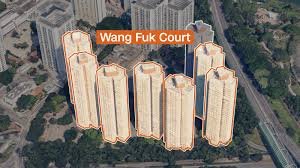
What began as a flicker of smoke on a Wednesday afternoon rapidly escalated into one of Hong Kong’s most devastating urban tragedies in decades. A series of Hong Kong apartment fires engulfed seven high-rise towers within a public housing estate, leaving a trail of unimaginable destruction and raising urgent questions about urban fire safety in one of the world’s densest cities.
The Unfolding Inferno: A Timeline of Disaster
In a terrifying span of just a few hours, a seemingly contained fire on the first floor transformed into a raging inferno. Fueled by what authorities believe were critical safety oversights, the blaze ripped through residential units, forcing residents into desperate escape attempts and overwhelming emergency services. The speed and intensity of the fire took many by surprise, challenging even Hong Kong’s renowned emergency response capabilities.
A City Stunned: The Profound Human Cost
The aftermath of the catastrophic high-rise blaze quickly revealed its grim toll. At least 128 lives were tragically lost, with hundreds more reported missing, feared trapped or consumed by the flames. Thousands of individuals, once secure in their homes, now face the stark reality of homelessness in a city where property prices are astronomically high and living space is already at a premium. This disaster has profoundly shaken Hong Kong, a city typically proud of its robust infrastructure and strong safety record, leaving a community grappling with grief and anger.
Unraveling the Cause: Renovation Risks and Safety Under Scrutiny
While the exact origin of the deadly apartment fires remains under investigation, early findings point towards alarming factors that exacerbated the tragedy. It has come to light that the affected buildings were undergoing extensive renovation at the time of the fire. Crucially, many windows were reportedly obscured by highly flammable polystyrene, a material authorities suggest acted as a devastating accelerant, contributing significantly to the rapid spread of the inferno. This, coupled with a series of other alleged safety shortcomings, created a lethal combination that turned a localised fire into a city-wide catastrophe. The Construction Industry Council of Hong Kong may offer further insights into best practices for renovation safety.
The Road Ahead: Justice, Accountability, and Recovery
In the wake of public outrage and immense pressure from grieving families, authorities have launched comprehensive criminal and anticorruption investigations. The focus is squarely on those responsible for the building renovations and any potential negligence that contributed to the disaster. Several arrests have already been made in connection with the renovation project, signalling a serious commitment to accountability. However, for the survivors and the bereaved, the road to healing is long, and no arrests or findings may truly alleviate the profound pain of their loss.
Lessons from the Blaze: Enhancing Urban Resilience
The devastating Hong Kong housing disaster serves as a stark reminder of the critical importance of stringent urban fire safety protocols and proactive risk assessment, especially in high-density residential areas undergoing development or renovation. As cities worldwide continue to grow vertically, the lessons learned from these Hong Kong high-rise fires must inform future building regulations, construction practices, and emergency preparedness plans to prevent similar tragedies. The need for continuous oversight and adherence to safety standards cannot be overstated in ensuring the well-being of urban populations.
The resilience of Hong Kong will undoubtedly be tested, but the collective resolve to seek justice and implement lasting change remains strong, aiming to prevent such a catastrophic event from ever recurring.



