
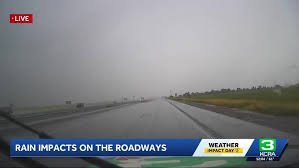
Northern California Braces for Winter Chaos: What You Need to Know
Northern California is currently facing a challenging weather pattern, with a mix of torrential rain and heavy snowfall sweeping across the region. With a heavy snow warning in effect, weather experts have designated this as an “Impact Day,” signaling significant disruptions to travel, outdoor activities, and general safety.
From localized flooding in urban areas to treacherous conditions in the mountains, the current storm system is creating a hazardous environment for commuters and residents alike. If you are planning to travel, staying informed is your best defense against the elements.
Crucial Road Safety and Chain Controls
The Sierra Nevada mountains are experiencing significant accumulation, making chain controls a necessity for many routes. To ensure safety on the roads, authorities have implemented strict requirements for vehicles traversing high-altitude passes.
Key Guidelines for Drivers:
- n
- Chain Requirements: All vehicles must have snow chains installed unless they are equipped with four-wheel drive (4WD) and certified snow tires.
- Reduced Speed Limits: To prevent accidents, speed limits have been drastically lowered. On Interstate 80, the limit is reduced to 30 mph, and on Highway 50, it is 25 mph.
- Current Hotspots: Be particularly cautious on Interstate 80 (Kingvale to Truckee) and Highway 88, where conditions remain volatile.
n
n
n
For real-time updates on road conditions and closures, we highly recommend checking the Caltrans Official Website to plan your route safely.
Flooding, Power Outages, and Urban Hazards
The impact isn’t limited to the mountains. In the valleys and coastal regions, heavy rainfall has led to localized flooding. Reports from areas like Roseville highlight neighborhoods struggling with standing water, which has already caused several road closures and traffic bottlenecks.
Furthermore, the combination of wind and heavy precipitation increases the risk of:
- n
- Power Outages: Falling branches and saturated soil can lead to utility failures.
- Traffic Accidents: Reduced visibility and slick roads have already resulted in multi-vehicle crashes on major freeways.
- Severe Weather: Keep an eye out for thunderstorms that may bring hail, further complicating driving conditions.
n
n
n
Winter Driving Tips for Maximum Safety
When facing a heavy snow warning, preparation is key. Whether you are a seasoned driver or a newcomer to winter weather, keep these tips in mind:
- Check Your Vehicle: Ensure your windshield wiper fluid is topped up and your tires have adequate tread.
- Pack an Emergency Kit: Always carry blankets, water, non-perishable snacks, and a flashlight.
- Allow Extra Time: Expect delays and avoid non-essential travel during the peak of the storm.
- Maintain Distance: Increase the following distance between your car and the vehicle in front to account for longer braking distances on wet or icy roads.
n
n
n
n
Stay tuned to local weather alerts and emergency broadcasts to navigate this storm safely. Your safety is the priority—drive with caution and respect the power of nature.



