
Beyond the Gifts: The Surprising Origin of Happy Mother’s Day
Every year, millions of people around the world prepare for Happy Mother’s Day, a time dedicated to honoring the women who raised us with unconditional love and sacrifice. Celebrated on the second Sunday of May, it is a day filled with flowers, cards, and heartfelt gratitude. However, behind the bright bouquets and greeting cards lies a poignant history of a woman who spent her later years fighting against the very holiday she created.
The Vision of Anna Jarvis
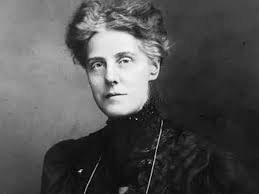
The story of Mother’s Day begins with Anna Jarvis, born in 1864 in West Virginia. Anna was deeply inspired by her mother, Ann Reeves Jarvis, a Sunday school teacher who established “Mothers’ Day Work Clubs” to improve health and sanitation in the Appalachia region. These clubs weren’t just about hygiene; they were about empowering women to care for their children and communities.
After her mother’s passing in 1905, Anna wanted to create a permanent way to honour her mother’s legacy of service. In 1908, she organized the first official Mother’s Day service at a Methodist church in Grafton, West Virginia, where she introduced the tradition of white carnations to symbolize the purity of a mother’s love.
From a Local Tribute to a National Holiday
The movement gained momentum quickly. By 1914, President Woodrow Wilson signed a proclamation officially recognizing Mother’s Day as a national holiday. For Anna, this was a victory for the sentiment of maternal bonds. She envisioned a day of reflection, characterized by heartfelt, handwritten letters and personal connections.
The War Against Commercialization
As the holiday grew in popularity, so did the industry surrounding it. Anna Jarvis watched in horror as companies began to capitalize on the day, transforming a sentimental tribute into a commercial goldmine. She viewed these businesses as “trade vandals” and copyright infringers.
In a tragic turn of events, Anna spent the remainder of her life and her entire fortune fighting to have the holiday rescinded or stripped of its commercial nature. She launched numerous lawsuits and campaigns to protect the sanctity of the day. Ironically, Anna Jarvis—the woman who gave the world Mother’s Day—died penniless in 1948, with some reports suggesting that a florist, the very industry she fought, paid her final bills.
Why We Still Celebrate Today
Despite the commercial noise, the core essence of Happy Mother’s Day remains vital. It is a designated time to acknowledge the indispensable role that maternal figures play in shaping society. Whether it is a biological mother, a grandmother, a stepmother, or a guardian, the day celebrates:
- n
- Unconditional Love: The selfless devotion that supports us through life’s challenges.
- Sacrifice: The countless sleepless nights and personal compromises made for the sake of a child’s future.
- Guidance: The nurturing wisdom passed down through generations.
To truly honor the legacy of Anna Jarvis, perhaps the best way to say “Happy Mother’s Day” is to move beyond the store-bought gifts and return to the original intention: a sincere expression of gratitude and a moment of genuine connection.
For those interested in the broader history of social movements and holidays, exploring archives like History.com can provide deeper insights into how cultural traditions evolve over time.



