
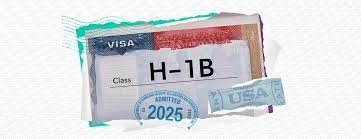
Critical Update for H-1B Visa Holders: The End of the Grace Period?
For years, the 60-day grace period has served as a vital safety net for nonimmigrant workers in the United States. However, a new proposal from the Department of Homeland Security (DHS) could drastically change the landscape for thousands of professionals.
The DHS is currently advancing a proposal to eliminate the existing 60-day window that allows H-1B workers to find new employment after losing their job. This proposed rule (RIN: 1615-AD22) has already been sent to the White House Office of Information and Regulatory Affairs for final review, signaling that these changes could be implemented sooner than expected.
What is the H-1B Grace Period?
Since 2017, regulations have allowed H-1B workers and other nonimmigrants a specific allotment of time to either:
- n
- Secure a new employer sponsor.
- Change their nonimmigrant status.
- Prepare for a legal departure from the country.
This window provided a crucial buffer against the immediate instability caused by corporate layoffs or unexpected terminations.
The Potential Impact: Why This Matters
If this proposal is finalized and the grace period is removed, the consequences for displaced workers would be immediate and severe. Instead of having two months to pivot, workers could face instant changes to their legal status the moment their employment ends.
This shift would create an environment of extreme urgency, potentially forcing workers to leave the country abruptly or face legal complications regarding their authorized stay in the U.S.
Staying Informed and Protected
In a volatile job market, staying updated on immigration law is more important than ever. We recommend that all H-1B holders monitor official updates from the U.S. Citizenship and Immigration Services (USCIS) and consult with qualified legal counsel to understand how these proposed changes might affect their specific situation.
For professional legal analysis and deep-dives into current events, keeping a close eye on regulatory shifts is the best way to safeguard your professional future in the Americas.



