
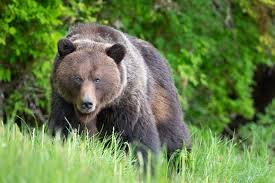
Grizzly Attack Shocks British Columbia: A Call for Heightened Awareness and Community Resilience
British Columbia, renowned for its pristine wilderness and diverse wildlife, was shaken recently by a harrowing grizzly bear attack near Bella Coola. This traumatic incident, involving a group of schoolchildren and teachers on a hiking trail, has brought the critical importance of wildlife safety and community preparedness to the forefront. As residents and visitors navigate the province’s stunning landscapes, understanding and respecting its wild inhabitants, especially apex predators like grizzlies, becomes paramount.
Harrowing Encounter: Schoolchildren Targeted in Bella Coola
The peaceful afternoon of a school hiking trip turned into a scene of terror in Bella Coola, a community on British Columbia’s central coast, approximately 700 km northwest of Vancouver. A group of elementary students and their teachers were enjoying a nature walk when a grizzly bear suddenly attacked. At least 11 individuals sustained injuries, with two reported to be in critical condition.
Eyewitness accounts highlight the quick thinking and bravery of the teachers, who reportedly used bear spray and other deterrents to fend off the aggressive animal. Their swift actions undoubtedly prevented even more severe outcomes. Following the incident, seven of the injured were treated on-site and avoided hospitalization, as confirmed by British Columbia Emergency Health Services.
The grizzly remains at large, prompting the Nuxalk First Nation Council, whose traditional territory encompasses the area, to urge residents to avoid the attack site. Chief Samuel Schooner expressed the profound impact on the community, stating via social media, “We are all deeply affected by the bear attack that impacted our children and so many loved ones. Those who immediately came to the aid of the injured showed courage, love, and great compassion.” He added a heartfelt plea for kindness and mutual support during this difficult time. The Acwsalcta Elementary School, attended by the victims, remained closed the following day, with the school board commending students for their resilience and support for one another.
A Grim Precedent: Another Recent Tragedy Underscores Risks
This recent attack in Bella Coola tragically follows another fatal grizzly encounter less than a month prior. Joe Pendry, a 63-year-old hunting guide, lost his life after an altercation with a grizzly sow protecting her cubs near Cranbrook, also in British Columbia. Pendry, who sustained severe injuries including fractures, scalp lacerations, and a lost finger, bravely fought off the bear, even managing to shoot it before succumbing to his wounds weeks later due to a blood clot.
These incidents serve as a stark reminder of the inherent risks when venturing into bear country. October, the period when both these attacks occurred, is particularly critical. Grizzlies enter a phase known as hyperphagia, where they consume vast amounts of food to build fat reserves for winter hibernation. During this time, they often range more widely and can be more easily startled or become defensive, especially when food sources are scarce or they perceive a threat to their young.
Living with Giants: Essential Bear Safety in BC’s Wilds
British Columbia is home to a significant grizzly bear population, and encounters are a part of life for those living in or exploring its vast wilderness. While rare, aggressive interactions can be devastating. Practicing “bear aware” principles is not just recommended; it’s essential for everyone’s safety. Here are key guidelines:
- Make Noise: Announce your presence by talking, singing, or carrying a bear bell, especially in areas with limited visibility or near streams.
- Carry Bear Spray: Always carry an accessible can of bear spray and know how to use it effectively. This is often the most effective deterrent in an aggressive encounter.
- Store Food Safely: Properly secure all food, garbage, and scented items in bear-proof containers or suspended from trees, away from your tent or campsite.
- Stay on Designated Trails: Stick to marked trails and avoid walking alone. Hiking in groups reduces the risk of surprise encounters.
- Know What to Do: In a defensive encounter, make yourself look big, make noise, and prepare your bear spray. If attacked by a grizzly, play dead (lie on your stomach, hands behind your neck) until the bear leaves. If the attack is predatory, fight back aggressively.
- Research Ahead: Before heading out, research recent wildlife sightings and trail conditions in your chosen area.
For more comprehensive information and up-to-date safety guidelines, consult official resources like BC Parks’ Bear Safety Guide or the Government of British Columbia’s Wildlife Branch.
The incidents in Bella Coola and Cranbrook serve as somber reminders of the power of nature and the need for vigilance. They also highlight the incredible resilience and compassion within British Columbia’s communities. By embracing responsible wilderness practices and fostering a deep respect for our wild neighbours, we can all contribute to safer experiences in Canada’s stunning natural environment.



