
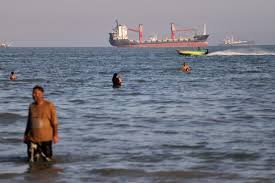
The High-Stakes Battle for Maritime Control in the Strait of Hormuz
The global energy market is holding its breath as the Strait of Hormuz, one of the world’s most critical chokepoints for shipping, becomes the center of a geopolitical tug-of-war. Following a fragile ceasefire between the United States and Iran, a glimmer of hope has emerged for the flow of oil and natural gas, but the path to stability remains treacherous.
With approximately one-fifth of the world’s total oil and gas consumption passing through this narrow waterway, any disruption to shipping routes sends shockwaves through global economies. Recently, a breakthrough occurred when the Liberian oil tanker Stoic Warrior successfully navigated the strait, signaling a potential shift in how commercial vessels might bypass regional threats.
A New Blueprint for Maritime Safety
In an effort to secure the passage of cargo ships and tankers, a new route has been promoted by the International Maritime Organization (IMO), a specialized agency of the United Nations. This alternative path, which hugs the coast of Oman’s Musandam Peninsula, aims to steer vessels away from the traditional Traffic Separation Scheme—an area plagued by reports of naval mines laid during the recent conflict.
The success of the Stoic Warrior, followed by vessels from the shipping giant Maersk, suggests that international cooperation can find loopholes in the deadlock. However, this move has not gone unnoticed or unpunished in terms of rhetoric.
The Clash of Authority: Iran vs. The IMO
The Iranian Revolutionary Guard has reacted with hostility to the implementation of the IMO-backed route. In a stern warning issued via state media, the Guard declared that any route not explicitly authorized by the Islamic Republic of Iran is “unacceptable and completely dangerous.”
- n
- Iran’s Stance: Only state-sanctioned routes are legal; violators will be “dealt with.”
- International Stance: The IMO and Oman seek to ensure the freedom of navigation to prevent a global energy collapse.
- The Risk: The threat of naval mines continues to make the central shipping lanes a gamble.
The Broader Geopolitical Chessboard
The tension in the Strait is not an isolated incident but a symptom of a larger regional conflict. U.S. Secretary of State Marco Rubio has been actively engaging with the Gulf Cooperation Council (GCC) in Bahrain to ensure that the security and prosperity of Gulf allies are not sacrificed in the pursuit of a permanent deal with Iran.
Adding to the volatility is the ongoing violence in Lebanon. Recent Israeli airstrikes against Hezbollah—an Iranian-backed militia—have threatened to derail the shaky ceasefire. The interconnected nature of these conflicts means that a single missile in Lebanon could potentially freeze shipping in the Persian Gulf overnight.
What This Means for Global Trade
For businesses and consumers worldwide, the stability of shipping in the Strait of Hormuz is paramount. While the transit of a few tankers provides a “glimmer of hope,” the underlying issues—ranging from nuclear stockpiles to ballistic missile programs—remain unresolved.
As the U.S. and Iran enter a 60-day negotiation window to iron out the details of their memorandum of understanding, the maritime world remains on high alert. The ability to maintain open, safe, and neutral shipping routes will be the ultimate litmus test for the success of this fragile peace.



