
Beyond the Dark: The Human Toll of the Gary Indiana Blackout
For many residents of Northwest Indiana, the silence that followed the recent powerful storms wasn’t peaceful—it was paralyzing. What began as severe weather quickly spiraled into a humanitarian crisis, as a massive Gary Indiana blackout left thousands of families disconnected, hungry, and desperate for basic necessities.
A week after the storms ripped through the region, the lights may be flickering back on for some, but for many, the true struggle is only just beginning.
A Food Crisis in the Wake of Darkness
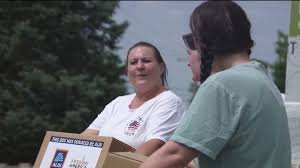
When the power goes out, the clock starts ticking on food safety. In Gary, the impact was immediate and severe. At the West Side Leadership Academy, a mobile food pantry became a lifeline for hundreds, yet it was quickly overwhelmed by the sheer volume of need.
Dr. Yvonne Stokes, Superintendent of the Gary Community School Corporation, highlighted the severity of the situation. The district managed to distribute 700 grab-and-go lunches, but they ran out rapidly. Even more heartbreaking was the loss of refrigerated food within the school system, which had to be discarded or rushed to food banks to avoid total waste.
A Regional Struggle: More Than Just One City
While the Gary Indiana blackout grabbed headlines, the devastation stretched far beyond city limits. From Lake Station to Hobart, the crisis became a regional disaster. Lake Station Mayor Bill Carroll emphasized that this wasn’t a localized issue, but a systemic failure affecting the entire area.
- n
- Lake Station: The fire department transformed into a community hub, providing charging stations, cooling centers, and emergency food.
- Hobart Township: Trustee Fred Williams reported that stockpiled food reserves were completely exhausted, leaving the township struggling to replenish supplies on a limited budget.
For residents like Georgia Hatfield, the return of power was a bittersweet moment. “Power’s back on, but it’s an empty refrigerator,” she shared, describing the emotional weight of losing her food supply for the second time in recent history.
Neighbors Helping Neighbors: The “Old School” Support System
In the absence of internet and cellular service, the community reverted to a more traditional way of surviving: talking to one another. With digital maps and news sites unavailable, neighbors became the primary source of information, sharing tips on where to find gasoline, water, and shelter.
Susana Pedrosa, who cares for a 77-year-old roommate, described the ordeal as incredibly difficult but noted the grace found in community support. This spirit of resilience is what is currently keeping the region afloat as they navigate the aftermath of the storms.
The Long Road to Recovery
The restoration of electricity is only the first step. For the Gary Community School Corporation, reopening buildings requires a meticulous, room-by-room safety inspection to ensure fire protection systems and utilities are functioning correctly.
Furthermore, the secondary effects—spoiled appliances, water heater failures, and structural damage—continue to plague the elderly and vulnerable. Some residents have compared the scale of destruction to major historical disasters, noting that every level of life, from roads to homes, has been impacted.
How You Can Help
Local officials are urging anyone capable of donating food or resources to reach out to city leaders and township trustees. The need for basic groceries, fresh produce, and emergency supplies remains critical.
For more information on how to prepare for future emergencies or to find official disaster relief guidelines, you can visit the Official FEMA Ready site or the American Red Cross.
The story of the Gary Indiana blackout is a stark reminder of how fragile our infrastructure can be, but also a testament to the enduring strength of a community that refuses to leave its neighbors behind in the dark.



