
A Rare and Somber Day in Florida’s Justice System
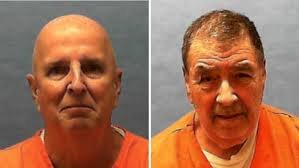
In a move that has sparked intense legal and ethical debates, Florida recently carried out two executions in a single day—a rarity in the state’s modern history. The events centered around the execution of James Duckett, a former law enforcement officer, and 80-year-old Dominick Anthony Occhicone.
This back-to-back scheduling marks the first time since 1964 that Florida has performed multiple executions on the same date, signaling a significant shift in the state’s approach to capital punishment under the administration of Governor Ron DeSantis.
Who Was James Duckett?
James Aren Duckett, 68, was pronounced dead at 1:19 p.m. at the Florida State Prison. His case is particularly haunting due to his former position of power. Duckett was a police officer in a small central Florida city when, in 1987, he was convicted of the rape and murder of an 11-year-old girl.
Despite the conviction, Duckett’s legal team fought until the end, claiming his innocence. They argued that the state’s handling of DNA evidence led to inconclusive results. However, the courts ruled that the original jury verdict remained valid, leading to his eventual execution by lethal injection.
The Case of Dominick Anthony Occhicone
Following Duckett, the state proceeded with the execution of Dominick Anthony Occhicone, who at 80 years old, became one of the oldest prisoners ever put to death in modern U.S. history. Occhicone was convicted of killing his ex-girlfriend’s parents back in 1986.
- The Legal Battle: His attorneys argued that his advanced age and health issues (including kidney and prostate problems) made the execution “cruel and unusual punishment.”
- The Outcome: Despite these appeals, the Florida Supreme Court denied intervention, allowing the execution to proceed.
The “DeSantis Effect”: A Record-Breaking Pace
The acceleration of death row sentences is largely attributed to Governor Ron DeSantis. In his final years in office, the pace of executions has reached levels unseen since the U.S. death penalty was reinstated in 1976. DeSantis has defended this surge by stating that “justice delayed is justice denied,” emphasizing the need to provide closure for victims’ families who have waited decades.
According to records from the Florida Department of Corrections, the state has become the busiest death chamber in the nation, with DeSantis overseeing a record-breaking number of executions in 2025 alone.
Controversy and Ethical Concerns
The decision to execute two men in one day has not gone unnoticed by human rights advocates. Groups such as Floridians for Alternatives to the Death Penalty have voiced strong opposition, arguing that this is an “unprecedented escalation” of capital punishment that does not align with the will of the general population.
While the state views these actions as the ultimate fulfillment of justice, critics point to the inconclusive DNA evidence in the James Duckett case as a warning sign of the irreversible nature of the death penalty.
For more information on the legal standards of capital punishment in the United States, you can visit the Death Penalty Information Center.



