
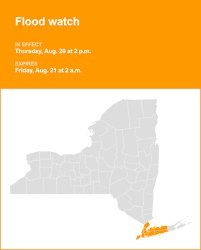
Flood Warning: Everything You Need to Know to Stay Safe
Weather patterns are becoming increasingly unpredictable, and for many, a flood warning can be a terrifying experience. Whether it is a sudden flash flood or a gradual rise in river levels, knowing exactly how to react can make the difference between a minor inconvenience and a major disaster.
In this guide, we will break down the critical differences between weather alerts and provide a comprehensive action plan to keep you and your loved ones out of harm’s way.
Flood Watch vs. Flood Warning: What is the Difference?
Many people use these terms interchangeably, but in the world of meteorology, they mean two very different things. Understanding the distinction is key to your emergency response:
- n
- Flood Watch: This means that conditions are favorable for flooding to occur. It is a “heads up” to stay alert and begin preparing.
- Flood Warning: This is a call to action. A flood warning means flooding is already occurring or is imminent in your area. Immediate action is required.
Immediate Actions to Take During a Flood Warning
When a flood warning is issued for your location, every second counts. Follow these safety protocols immediately:
- Move to Higher Ground: If you are in a low-lying area, evacuate to a higher floor or a designated shelter immediately.
- Avoid Moving Water: Never attempt to walk or drive through floodwaters. As little as six inches of moving water can knock you off your feet, and two feet can sweep away most vehicles. Remember the golden rule: “Turn Around, Don’t Drown.”
- Disconnect Electronics: If it is safe to do so, turn off your electricity at the main breaker to prevent electrical shocks and fires.
- Stay Informed: Keep a battery-powered radio or your smartphone handy for updates from local authorities.
How to Protect Your Home from Flooding
While some floods happen too quickly to prevent, taking a few proactive steps can significantly reduce property damage. Consider these strategies:
- Install Sump Pumps: A reliable sump pump can prevent your basement from becoming a swimming pool.
- Clear Your Gutters: Ensure that rain gutters and downspouts are clear of debris so water can flow away from your foundation.
- Create a Flood Kit: Your emergency bag should include bottled water, non-perishable food, a flashlight, a first-aid kit, and essential medications.
Reliable Sources for Real-Time Updates
During a crisis, misinformation can be dangerous. Always rely on official government sources for the most accurate data. We highly recommend monitoring the National Oceanic and Atmospheric Administration (NOAA) for weather forecasts and the Ready.gov portal provided by FEMA for detailed emergency checklists.
Final Thought: A flood warning is a serious alert. By staying informed, preparing your home, and acting decisively, you can protect your family and minimize the impact of nature’s most destructive forces.



