
Flash Flood Warning: How to React and Stay Safe During Sudden Flooding
Nature can be unpredictable, and few weather events are as sudden and dangerous as flash floods. When you see a flash flood warning on your phone or hear it on the radio, every second counts. But do you know exactly what it means and what actions you should take immediately?
In this guide, we will break down the critical differences between weather alerts and provide a comprehensive safety checklist to keep you and your loved ones out of harm’s way.
Flash Flood Watch vs. Flash Flood Warning: What’s the Difference?
Many people use these terms interchangeably, but in the world of meteorology, they signify very different levels of urgency. Understanding this distinction can be a lifesaver.
- n
- Flash Flood Watch: This means conditions are favorable for a flash flood to occur. It is a “heads up” to stay alert, monitor the weather, and have a plan ready.
- Flash Flood Warning: This is an urgent call to action. A flash flood is occurring or imminent in the specified area. You must take action immediately to protect your life.
Immediate Actions to Take During a Flash Flood Warning
When a warning is issued, you don’t have time to hesitate. Follow these essential safety protocols:
1. Seek Higher Ground
Immediately move to higher ground. Avoid basements, underground parking garages, or any low-lying areas where water can collect rapidly.
2. “Turn Around, Don’t Drown”
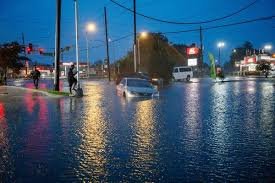
Never attempt to drive or walk through floodwaters. As little as six inches of moving water can knock an adult off their feet, and two feet of water can carry away most vehicles, including SUVs and trucks. If your vehicle stalls in rapidly rising water, abandon it immediately and climb to higher ground.
3. Avoid Bridges and Streams
Stay away from riverbanks, streams, and bridges. Water levels can rise several feet in a matter of minutes, and bridges can collapse under the pressure of fast-moving debris.
How to Prepare Your Home and Family
Preparation is the best defense against natural disasters. To minimize damage and risk, consider the following steps:
- Create an Emergency Kit: Include water, non-perishable food, a flashlight, batteries, and a first-aid kit.
- Set Up Alerts: Ensure your smartphone has wireless emergency alerts enabled. You can also follow updates from the National Weather Service (NWS) for real-time data.
- Plan an Evacuation Route: Know the highest points in your neighborhood and have a predetermined meeting spot for your family.
- Protect Your Assets: If time permits, move expensive electronics and important documents to the upper floors of your home.
Summary Checklist for Flash Flood Safety
| Scenario | Correct Action |
|---|---|
| Flash Flood Watch | Stay tuned to weather reports and prepare your kit. |
| Flash Flood Warning | Move to higher ground immediately. |
| Driving in Rain | Avoid flooded roads; Turn Around, Don’t Drown. |
For more comprehensive guidelines on disaster preparedness, visit the Ready.gov floods page, managed by FEMA.
Final Thoughts
A flash flood warning is not a suggestion—it is a critical alert. By staying informed, understanding the warnings, and acting decisively, you can significantly reduce the risks associated with these powerful weather events. Stay safe, stay alert, and always prioritize human life over material possessions.



