Fire Pit Safety: Preventing Wildfires During Extreme Heatwaves
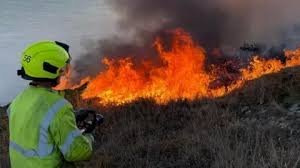
Fire Pit Safety: Is Your Backyard Setup a Wildfire Risk?
As temperatures soar and record-breaking heatwaves become more frequent, the simple pleasure of gathering around a fire pit or a barbecue can quickly turn into a nightmare. While outdoor fires are a staple of relaxation, environmental experts are warning that under current climatic conditions, the risk of accidental ignition is at an all-time high.
The Invisible Danger: Why Now?
According to Claire Belcher, a professor at Exeter University and a leading wildfires expert, we are seeing a dangerous shift in landscape vulnerability. In some regions, the likelihood of a spark triggering a fire has reached a staggering 100% during peak heat events.
It isn’t just the heat that’s the problem. A lethal combination of low humidity, strengthening winds, and desiccated vegetation creates a tinderbox effect. In this environment, a single ember from a fire pit, a discarded cigarette, or a spark from agricultural machinery can ignite a blaze that spreads faster than emergency services can respond.
A Changing Climate: The New Normal
Historically, northern temperate regions weren’t considered “fire-prone.” However, that is changing rapidly. We are now witnessing longer dry spells and volatile weather patterns that mirror those seen in much drier climates.
- n
- Agricultural Stress: Farmers are on high alert, as dry crops can be ignited by a single spark from a combine harvester.
- Ecological Impact: Wildlife rangers are noting a shift in fire seasons, with fires occurring during peak visiting months when more people are utilizing outdoor fire pits and grills.
- Environmental Volatility: Scientists are investigating if changes in the Atlantic Ocean are contributing to these increasingly erratic weather patterns.
How to Use Your Fire Pit Safely (or When to Avoid It)
To protect your home and the environment, follow these essential safety guidelines provided by fire safety authorities:
- n
- Check the Weather: If there is a “Red Flag Warning” or an official heatwave alert, avoid using your fire pit entirely.
- Clear the Perimeter: Ensure there is a wide radius of non-combustible material (like gravel or concrete) around your fire area.
- Never Leave it Unattended: A sudden gust of wind can carry an ember into dry grass in seconds.
- Extinguish Completely: Use plenty of water to ensure the ashes are cold to the touch before leaving the area.
For more detailed guidelines on preventing outdoor fires, you can visit the National Fire Protection Association (NFPA) to ensure your home meets safety standards.
Final Thoughts
The beauty of the countryside and the comfort of a backyard fire are things we all cherish. However, as our planet warms, our habits must adapt. Being responsible with your fire pit isn’t just about safety—it’s about protecting our forests, our farms, and our communities from devastating wildfires.
📰 You May Also Like