
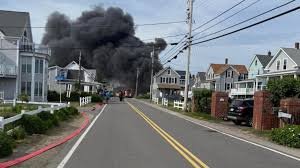
Fire Near Me: How to Find Real-Time Wildfire Tracking and Stay Safe
In an emergency, every second counts. When you search for “fire near me,” you aren’t just looking for information—you are looking for safety and peace of mind. Whether it’s a seasonal wildfire or a sudden local blaze, knowing exactly where the danger is and how to react can save lives.
In this guide, we will walk you through the most reliable tools for tracking fires in real-time, how to set up emergency alerts, and the critical steps to take if a fire is approaching your area.
Best Tools to Track Fires in Real-Time
Depending on your location, different tools provide the most accurate data. To get the most precise information regarding a fire near you, rely on these high-authority sources:
- n
- InciWeb: The gold standard for wildfire information in the United States. It provides official updates on containment, size, and evacuation orders. Visit InciWeb.
- AirNow.gov: Fires often create hazardous smoke long before the flames reach you. AirNow allows you to monitor air quality (AQI) in your immediate vicinity. Check AirNow.
- Watch Duty: A highly recommended app that crowdsources and verifies real-time fire reports, often providing updates faster than official government channels.
- Local Sheriff and Fire Department Social Media: During active emergencies, X (formerly Twitter) and Facebook pages of local authorities are often the fastest way to receive evacuation notices.
How to Set Up Emergency Alerts
You shouldn’t have to manually search for “fire near me” during a crisis. Be proactive by setting up automated notifications:
- Wireless Emergency Alerts (WEA): Ensure your smartphone’s emergency alerts are turned ON in your settings. These are government-sent messages that pop up on your screen during immediate threats.
- Local Opt-in Alerts: Many counties have their own alert systems (like CodeRED or Everbridge). Search for your county’s “emergency notification system” and register your phone number.
- Weather Apps: Apps like The Weather Channel or AccuWeather often integrate fire weather watches and warnings.
Critical Safety Checklist: What to Do Now
If you suspect there is a fire near your location, do not wait for an official evacuation order to start preparing. Follow these steps:
1. Prepare Your “Go Bag”
Keep a bag packed with essentials, including:
- n
- Important documents (passports, insurance, deeds) in a waterproof folder.
- A 3-day supply of medications and first-aid supplies.
- Portable power banks and chargers.
- N95 masks to protect against smoke inhalation.
2. Secure Your Home
If you have time before evacuating, close all windows and doors to prevent embers from entering. Move flammable outdoor furniture inside and leave your lights on so firefighters can see your house through the smoke.
3. Know Your Evacuation Routes
Identify at least two ways out of your neighborhood. In a wildfire, primary roads can quickly become congested or blocked by flames.
Conclusion
Staying informed is your best defense. By using tools like InciWeb and setting up local alerts, you can move from a state of anxiety to a state of readiness. Always prioritize human life over property—if authorities tell you to leave, go immediately.
For more comprehensive disaster preparedness guides, visit Ready.gov to ensure you and your family are fully protected.



