
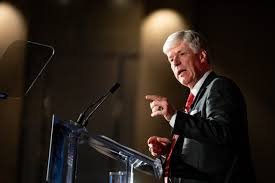
Understanding the Global Energy Landscape: The Fatih Birol Perspective
The world is currently facing one of the most complex energy challenges in modern history. From volatile price spikes to the urgent pressure of climate change, the global energy system is at a breaking point. To make sense of this chaos, experts look toward Fatih Birol, the Executive Director of the International Energy Agency (IEA), whose analysis has become the gold standard for policymakers and industry leaders worldwide.
Birol’s analysis doesn’t just highlight the problems; it provides a strategic roadmap for balancing the immediate need for energy security with the long-term necessity of a green transition.
Key Pillars of Fatih Birol’s Energy Crisis Analysis
According to Birol, the current energy crisis is not a coincidence but the result of several converging factors. His analysis typically focuses on three critical dimensions:
- n
- Energy Security: The immediate need to ensure that countries have access to reliable and affordable energy sources to prevent economic collapse.
- Sustainability: The non-negotiable goal of reaching net-zero emissions to mitigate the catastrophic effects of global warming.
- Affordability: Ensuring that the transition to clean energy does not disproportionately affect low-income populations or hinder economic growth in developing nations.
The Great Transition: Moving Beyond Fossil Fuels
A central theme in Fatih Birol’s energy crisis analysis is the acceleration of the energy transition. Birol argues that the crisis actually serves as a catalyst, proving that over-reliance on a few fossil-fuel-exporting nations is a strategic vulnerability.
To combat this, he advocates for a massive scale-up in renewable energy investments. By diversifying the energy mix with solar, wind, and hydrogen, nations can decouple their economies from volatile global oil and gas markets.
Why Renewables are the Solution
Birol emphasizes that renewables are no longer just an “environmental choice” but an “economic imperative.” As technology costs drop, clean energy is becoming the cheapest form of power generation in history, offering a path toward both stability and sustainability.
The Role of Policy and International Cooperation
One of the most poignant points in Birol’s analysis is that technology alone cannot solve the energy crisis. It requires bold political will. He calls for:
- Increased transparency in energy markets to prevent price manipulation.
- Significant public-private partnerships to fund infrastructure updates.
- International cooperation to ensure that the “green revolution” is inclusive and global.
For a deeper look at global economic trends affecting energy, the World Bank provides complementary data on how energy poverty impacts global development.
Final Thoughts: A Future of Resilience
Fatih Birol’s analysis reminds us that while the energy crisis is daunting, it provides a unique window of opportunity. By shifting our focus from short-term fixes to systemic transformation, we can build an energy system that is not only cleaner but more resilient and equitable for all.
The message is clear: the transition to clean energy is inevitable; the only question is whether we will move fast enough to avoid the worst impacts of the climate crisis.



