
The New Normal: Understanding Extreme Weather Patterns in Canada
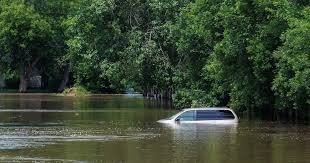
In recent years, the phrase “extreme weather” has shifted from a rare headline to a seasonal expectation. From the devastating wildfires in the west to unprecedented flooding in the east, Canadians are witnessing firsthand how the global climate crisis is reshaping the local landscape. But what exactly is happening, and how can we adapt to these volatile shifts?
Whether it is a sudden polar vortex or an intense summer heatwave, the volatility of our weather systems is increasing. This phenomenon isn’t just about “bad weather”; it is a systemic shift in atmospheric patterns that requires urgent attention and strategic preparation.
Why is Extreme Weather Becoming More Frequent?
The science is clear: rising global temperatures are fueling more intense weather events. In Canada, the warming of the Arctic is occurring at a faster rate than the global average. This disrupts the jet stream, which can “trap” weather systems in one place for longer periods, leading to prolonged droughts or relentless rainfall.
According to the World Meteorological Organization (WMO), the intensification of the water cycle means that when it rains, it pours—and when it’s dry, the land parches faster than ever before.
Essential Tips for Extreme Weather Preparedness
While we cannot control the forecast, we can control our readiness. Being prepared can make the difference between a manageable incident and a disaster. Here is a checklist to ensure your household is ready:
- n
- Build an Emergency Kit: Include non-perishable food, water (4 litres per person per day), a first-aid kit, flashlights, and extra batteries.
- Stay Informed: Download official weather apps and sign up for local emergency alerts. Always monitor Environment and Climate Change Canada for real-time warnings.
- Home Fortification: Ensure your gutters are clear to prevent flooding and check that your heating/cooling systems are serviced before the peak of the season.
- Create a Communication Plan: Establish a meeting point for your family and ensure everyone knows how to contact each other if cellular networks fail.
Looking Toward a Sustainable Future
Adapting to extreme weather also means investing in long-term sustainability. By reducing our carbon footprint and supporting green infrastructure, we can help mitigate the severity of future events. Community resilience is key; checking on elderly neighbours during a heatwave or helping clear snow after a storm strengthens the social fabric of our cities.
The challenges are significant, but with a combination of individual preparedness and collective action, Canadians can navigate the complexities of a changing climate with confidence and safety.



