
Double Trouble: Two Tornadoes Confirmed in Quebec Following Severe Storms
The unpredictable nature of weather patterns (often referred to as temps in French) has once again put Quebec on high alert. Recent investigations by meteorological experts have confirmed a frightening reality: the province was hit by two separate tornadoes within a very short window of time, leaving a trail of damage across the Laurentians and Lanaudière regions.
The Fury of the EF1 Tornado in Harrington
The most severe event occurred in Harrington, where the Northern Tornadoes Project (NTP), affiliated with Western University, identified an EF1 class tornado. This powerful vortex unleashed winds reaching a staggering 175 km/h, causing significant disruption and structural concerns in the area.
A Second Strike: The Saint-Donat Tornado
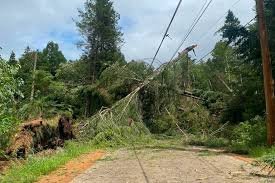
Just over an hour after the Harrington event, a second tornado touched down approximately 50 kilometres to the north in Saint-Donat. While less intense than the first, this EF0 class tornado still packed a punch, with recorded wind speeds of up to 115 km/h.
According to NTP researchers, satellite imagery and drone footage confirmed that both tornadoes originated from the same massive storm system. Fortunately, no injuries were reported, although the sector around Lac Beauchamp saw notable damage to trees over a distance of nearly one kilometre.
The Bigger Picture: Canada’s Volatile Climate
These tornadic events are not isolated incidents but part of a broader trend of extreme weather affecting North America. From the corridors of Quebec to the coasts of British Columbia, the environment is shifting rapidly. Other concerning trends include:
- n
- Air Quality Crisis: Wildfire smoke continues to plague Canadian cities, with reports suggesting that poor air quality could be linked to thousands of premature deaths annually across the country.
- Atmospheric Impacts: The Copernicus service has been closely monitoring how Canadian forest fires are impacting the atmosphere, not only in North America but potentially as far as Europe.
- Global Shifts: While Canada battles storms and smoke, the global climate is reacting, with El Niño threatening the Great Barrier Reef and fluctuating fire patterns in the Amazon.
How to Stay Safe During Extreme Weather
With weather becoming increasingly volatile, staying informed is your best line of defence. Experts recommend the following steps during severe storm warnings:
- Monitor Official Alerts: Keep a close eye on Environment Canada for real-time warnings.
- Seek Shelter: If a tornado warning is issued, move to a basement or an interior room on the lowest floor.
- Avoid Windows: Stay away from glass doors and windows during high-wind events.
As we navigate these challenging environmental changes, the work of organizations like the Northern Tornadoes Project remains crucial in helping Canadians understand and prepare for the storms of tomorrow.



