
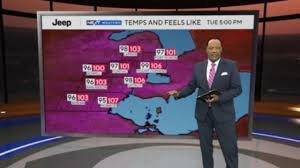
Understanding the Impact of an Extreme Heat Warning
When an extreme heat warning is issued, it is more than just a forecast of a sunny day; it is a critical alert indicating that temperatures will reach levels that could be dangerous to human health. In Canada, these warnings are often accompanied by high humidity, which prevents sweat from evaporating and makes it harder for the body to cool itself down.
Knowing how to respond to these alerts can make a significant difference in preventing heat-related illnesses and ensuring the well-being of your family, pets, and community.
How to Stay Cool and Hydrated
Staying proactive is the best way to handle a heatwave. Here are several proven strategies to keep your body temperature regulated:
- Hydrate Constantly: Drink plenty of water even if you don’t feel thirsty. Avoid excessive caffeine or alcohol, as these can lead to dehydration.
- Dress for the Weather: Wear lightweight, light-coloured, and loose-fitting clothing to reflect sunlight and allow your skin to breathe.
- Optimize Your Environment: Keep curtains and blinds closed during the hottest part of the day to block out direct sunlight. Use fans or air conditioning if available.
- Time Your Activities: Schedule outdoor chores or exercise for the early morning or late evening when temperatures are lower.
Recognizing Heat-Related Illnesses
It is crucial to distinguish between heat exhaustion and the more severe heat stroke. If you or someone around you shows these symptoms, act quickly:
| Symptom | Heat Exhaustion | Heat Stroke (Emergency!) |
|---|---|---|
| Skin | Moist, pale, or clammy | Dry, hot, red skin |
| Temperature | Normal or slightly elevated | Very high (above 40°C / 104°F) |
| Mental State | Dizzy or faint | Confusion or loss of consciousness |
For detailed medical guidance, always refer to Health Canada’s guidelines on heat-related illness.
Protecting Vulnerable Groups
Some people are more susceptible to the effects of extreme heat. It is vital to check in on:
- Seniors: Older adults may not feel thirst as acutely or may have underlying health conditions that make heat regulation difficult.
- Young Children: Kids dehydrate faster than adults and cannot regulate their body temperature as efficiently.
- Pets: Ensure your animals have constant access to shade and fresh water. Never leave a pet in a parked car, even for a minute.
Stay Informed
Keep a close eye on local weather updates. You can track current alerts and forecasts through Environment Canada to ensure you are prepared for any sudden changes in weather patterns.
Stay cool, stay hydrated, and look out for one another during this extreme heat warning!



