
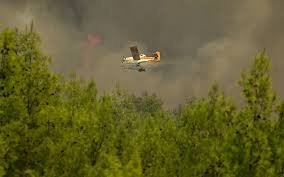
Europe Under Siege: A Continent Battling Historic Forest Fires
The summer of 2026 has rewritten the history books for environmental disasters in Europe. From the rugged coastlines of Portugal to the dense forests of Turkey, a series of unprecedented forest fires have ravaged the landscape, forcing hundreds of thousands of people from their homes and pushing emergency services to their absolute limits.
What was once considered a seasonal risk has evolved into a year-round crisis. Even as September began, the heat didn’t relent, proving that the vulnerability of the European forest ecosystem is reaching a critical tipping point due to extreme weather conditions.
The Mediterranean Front: Spain, Greece, and Turkey
Southern Europe has borne the brunt of this inferno. Spain, in particular, has faced one of its most grueling seasons on record. In Andalusia, near the luxury resorts of the Costa del Sol, winds reaching 50 km/h turned the hilly terrain of Benahavis into a tinderbox, sending plumes of smoke visible as far as Marbella.
- n
- Spain’s Toll: Over 296,000 hectares burned between January and mid-September.
- Extreme Heat: A record-breaking 45.7°C was recorded in El Granado, fueling the flames.
- Human Impact: Mass evacuations in Huelva and devastating losses in Almería, where 14 lives were tragically lost.
Meanwhile, Greece fought a multi-front war. From the tourist hubs of Paros and Crete to the outskirts of Athens, firefighters battled winds of up to 88 km/h. In a heart-stopping moment, emergency crews successfully prevented flames from consuming the ancient Bronze Age site of Mycenae, saving a piece of human history from the ash.
Turkey also witnessed immense destruction, particularly in the provinces of Antalya and Muğla. With hundreds of firefighters and dozens of aircraft deployed, the battle was fierce, resulting in the destruction of dozens of buildings and thousands of hectares of vital forest cover.
France’s Unprecedented Mobilization
The crisis wasn’t limited to the south. France experienced one of its largest peacetime civil evacuations. Near Bordeaux, a massive fire consumed approximately 42,000 hectares, forcing 200,000 people to flee their homes.
To combat the blaze, the French government took the extraordinary step of deploying the army and utilizing the A400M military transport aircraft for the first time in firefighting operations, capable of dropping 20,000 litres of water or fire retardant in a single pass.
The Science: Why Are Forest Fires Getting Worse?
Scientists are clear: this is not a coincidence. The synergy of rising global temperatures, prolonged droughts, and erratic wind patterns is creating a “perfect storm” for forest destruction.
While fire is a natural part of some ecosystem regeneration cycles, the current intensity is unnatural. According to the World Wildlife Fund (WWF), billions are spent annually on firefighting, yet the area of burned forest continues to grow. The cycle is vicious: heavy rains cause rapid plant growth, which then dries out instantly during heatwaves, providing massive amounts of “fuel” for the next fire.
Looking Forward: Prevention is the Only Cure
The events of 2026 serve as a stark warning. We can no longer rely solely on reactive measures like water bombers and evacuations. The focus must shift toward:
- n
- Early Warning Systems: Utilizing AI and satellite imagery to detect hotspots instantly.
- Forest Management: Reducing combustible biomass through controlled burns and strategic thinning.
- Climate Action: Addressing the root cause of the extreme heat and drought that make these fires possible.
As Europe recovers from the ashes of 2026, the lesson is clear: the battle to save our forests is the battle to save our future.



