
A Cultural Treasure Under Threat: The Growing Environmental Alarm
The tension between industrial expansion and cultural preservation has reached a breaking point in New Mexico. The US administration’s aggressive push to expand oil and gas extraction is sparking a significant environmental alarm, as plans to remove protective buffer zones threaten some of the most cherished natural and cultural landmarks in the United States.
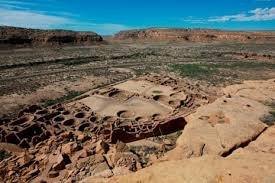
At the center of this controversy is the Chaco Culture National Historical Park, a UNESCO World Heritage site and a cornerstone of Indigenous American history. The proposal to eliminate a drilling-free buffer zone around this site has prompted the United Nations’ heritage body to intervene, questioning the long-term impact on the area’s “outstanding universal value.”
Why UNESCO is Sounding the Alarm
UNESCO has consistently maintained that extractive industries are incompatible with the status of a World Heritage site. The organization emphasizes that projects located outside the immediate boundaries of a protected area can still cause devastating damage.
According to a UNESCO spokesperson, the committee requires rigorous impact assessments before any decision is made to ensure that the integrity of these sites is not compromised. The concern is not just about the land, but about the historical and scientific significance that these treaties are designed to protect.
The Stakes for Chaco Culture National Historical Park
The Bureau of Land Management (BLM) has proposed erasing a 10-mile (16km) buffer zone that currently shields the park from uranium mining and fossil fuel drilling. This move has ignited a firestorm of opposition from tribal leaders, archaeologists, and environmentalists. The risks include:
- n
- Irreversible Cultural Damage: Destruction of ancient Pueblo ruins and sacred landscapes.
- Environmental Pollution: Toxic air pollution and the risk of water contamination from fracking activities.
- Loss of Dark Skies: The park is an internationally recognized dark skies area; gas flaring and industrial lighting would ruin the stargazing experience treasured by the Pueblo people and astronomers alike.
- Public Health Crisis: Community leaders, such as those from the Navajo Nation, have reported severe health impacts where drilling has occurred close to residential homes.
A Pattern of Industrial Encroachment
The situation at Chaco is not an isolated incident. The “drill, baby, drill” philosophy has cast a shadow over several other protected landscapes. From the National Park Service managed sites to fragile underground cave systems in Carlsbad Caverns and uranium mining interests near the Grand Canyon, the trend is clear: economic gain is being prioritized over conservation.
The Everglades, for instance, is already listed as being “in danger” due to pollution and development. Critics argue that if the administration continues to ignore buffer zones, more US heritage sites could join this imperiled list.
Conclusion: Profit vs. Preservation
The debate over the Chaco buffer zone is more than a local zoning dispute; it is a global conversation about what we value more: short-term liquid gold or the eternal legacy of human history. As the alarm continues to ring, the international community awaits a response from the US federal government to determine if these sacred lands will be preserved for future generations or sacrificed for industrial profit.



