End of an Era: Why Parks Canada Avalanche Dog Program Cuts are Sparking Public Outrage
End of an Era: Why Parks Canada Avalanche Dog Program Cuts are Sparking Public Outrage
For decades, the vast, rugged wilderness of Banff National Park has been guarded by an extraordinary partnership: the bond between human handlers and their highly trained canine companions. From locating missing children in dense forests to finding hikers buried under meters of snow, these dogs were more than just animals—they were lifelines.
However, a recent decision by Parks Canada to eliminate its canine search and rescue (SAR) program has sent shockwaves through the community, raising urgent questions about public safety in one of Canada’s most visited natural landmarks.
The Irreplaceable Nose: Why Avalanche Dogs Matter
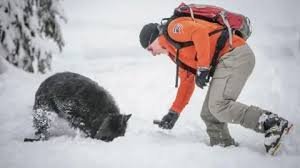
Scott Ward, a retired dog handler who spent 17 years in the Canadian Rocky Mountains, remembers the profound relief on a parent’s face when a rescue dog found their lost child. He also recalls the grueling two-hour trek up a steep mountainside to save a man suffering from hypothermia—a feat made possible only by his dog’s scenting ability.
The efficiency of avalanche dogs is unmatched by modern technology. As Ward explains, during winter emergencies, these dogs can locate trapped skiers or hikers in a fraction of the time it takes for human “probers” to manually search the snow. This not only saves precious minutes during the “golden hour” of rescue but also protects human rescuers from the danger of secondary avalanches.
The Legacy of Leroy
The impact of the program is best exemplified by Leroy, a German Shepherd who retired in August. During his seven years of service, Leroy’s record was staggering:
- n
- 156 people tracked across the rugged terrain.
- 57 lost individuals found and brought to safety.
- Two murder cases solved within the Banff area.
Budget Cuts vs. Public Safety
The decision to axe the sole dog handler position in Banff is part of a broader series of funding cuts. The government, led by Prime Minister Mark Carney, is implementing widespread reductions in public service spending to reduce the national deficit. Specifically, Parks Canada is facing budget cuts totaling approximately C$145 million.
While the agency claims that search and rescue operations will continue through “other means” as part of a modernization effort, critics argue that no piece of technology can replace a dog’s nose. This sentiment has fueled a massive public backlash, with over 5,000 people signing a petition to restore the program.
A Political Battleground
The issue has reached the halls of Parliament. William Stevenson, the Conservative MP for the Banff area, has voiced his concerns, arguing that while fiscal responsibility is important, cutting a critical safety resource is a catastrophic error.
In contrast, Liberal MP Ryan Turnball defended the move, stating that the government’s priority is ensuring public funds support overall growth and resilience for all Canadians. Despite this, the debate continues to rage, with calls for a direct meeting between policymakers and the CEO of Parks Canada.
Conclusion: A Risky Gamble
The loss of the canine SAR program marks a shift in how Canada manages its wilderness safety. For those who have witnessed the power of these animals, the decision feels like a gamble with human lives. As the old park warden saying goes: “You can put a man on the moon, but nothing can replace the nose of the avalanche dog.”
For more information on mountain safety and how to prepare for wilderness excursions, visit the Avalanche Canada portal to stay safe while exploring our beautiful national parks.
📰 You May Also Like