
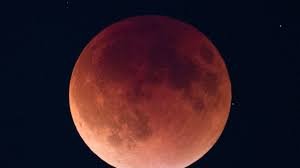
Embrace the Winter Glow: The Cold Moon Full Moon Illuminates Canadian Skies
As the days grow shorter and winter’s embrace tightens across Canada, a celestial spectacle awaits: the Cold Moon Full Moon. This enchanting December phenomenon, steeped in history and natural beauty, offers a breathtaking sight for stargazers and casual observers alike. Get ready to turn your gaze upwards and witness the last full moon of the year in all its brilliant glory.
What is the Cold Moon Full Moon?
The name “Cold Moon” is a nod to the harsh, freezing conditions of December, a time when winter truly sets in and the nights become long and dark. Indigenous peoples and early European settlers often named full moons to reflect the seasonal changes and activities of their environment. Other traditional names for the December full moon include the Long Night Moon, referring to the night closest to the winter solstice, and the Moon Before Yule. This particular full moon is a beacon in the longest nights, offering a natural light source that cuts through the darkness.
While the moon itself doesn’t change, its cultural significance and the stories woven around its appearance vary greatly. For many in Canada, the December full moon marks a time of quiet reflection, preparation for the deep winter, and appreciation for the natural world’s enduring cycles.
When and How to Observe the Cold Moon in Canada
The exact timing of the Cold Moon Full Moon varies year to year, but it typically occurs in mid-December. To catch the moon at its most luminous, check local astronomical calendars for the precise peak illumination time in your area. Often, the moon appears full for a day or two on either side of its peak, providing ample opportunity for observation.
Tips for an Unforgettable Stargazing Experience:
- Find a Clear View: Head away from city lights if possible. Rural areas or parks offer the best dark sky conditions.
- Dress Warmly: December nights in Canada are notoriously cold. Layer up, wear hats, gloves, and warm boots.
- Binoculars or Telescope (Optional): While the full moon is bright enough to enjoy with the naked eye, binoculars or a small telescope can reveal fascinating details of its surface.
- Capture the Moment: A camera with manual settings and a tripod can help you photograph the moon’s beauty.
- Patience is Key: Allow your eyes time to adjust to the darkness (about 15-20 minutes) for the best viewing.
For more detailed astronomical information and local viewing times, consider checking resources like The Royal Astronomical Society of Canada or NASA’s official moon page.
The Cold Moon’s Enduring Mystique
Beyond its visual appeal, the Cold Moon Full Moon carries a profound sense of continuity and natural rhythm. It reminds us of the Earth’s steady journey through space and the age-old connection between humanity and the cosmos. In the depths of the Canadian winter, this bright orb serves as a comforting presence, illuminating the snow-covered landscapes and inspiring awe.
Whether you’re an avid astronomer or simply looking for a moment of wonder, taking the time to observe the December full moon is a rewarding experience. It’s a chance to connect with the traditions of the past and appreciate the silent, grand spectacle unfolding above us.
Don’t miss the opportunity to witness the majestic Cold Moon Full Moon. Bundle up, step outside, and let the magic of the winter night sky captivate you!



