Understanding El Niño: A Global Weather Phenomenon
El Niño-Southern Oscillation (ENSO) is a climate pattern that describes the unusual warming of surface waters in the eastern tropical Pacific Ocean. This warming, known as El Niño, has significant impacts on global weather patterns, leading to a cascade of effects felt worldwide. It’s not just a localized event; it’s a major driver of climate variability.
What Causes El Niño?
Normally, strong trade winds blow warm surface water towards Asia. This allows cooler water to rise to the surface along the coast of South America – a process called upwelling. During El Niño, these trade winds weaken or even reverse. This allows the warm water to spread eastward, suppressing upwelling and significantly raising sea surface temperatures. The exact triggers for these wind changes are complex and still being researched, but they are linked to atmospheric pressure patterns.
The Impacts of El Niño Weather
The effects of El Niño are far-reaching and vary depending on the intensity of the event. Here’s a breakdown of some key impacts:
- Increased Global Temperatures: El Niño often contributes to warmer global average temperatures, potentially exacerbating climate change effects. You can track global temperature anomalies at the [National Oceanic and Atmospheric Administration (NOAA)](https://www.noaa.gov/).
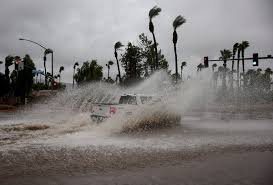
- Changes in Precipitation Patterns: Some regions experience increased rainfall and flooding, while others face drought conditions. For example, the western United States often sees wetter-than-average winters during El Niño.
- Impacts on Agriculture: Altered rainfall patterns can significantly impact crop yields, leading to food security concerns in vulnerable regions.
- Marine Ecosystem Disruptions: Warmer waters can harm marine life, leading to coral bleaching and shifts in fish populations.
- Increased Risk of Extreme Weather Events: El Niño can contribute to the frequency and intensity of hurricanes, cyclones, and other extreme weather events.
El Niño vs. La Niña: Understanding the Opposite Phase
It’s important to understand that El Niño has an opposite phase called La Niña. La Niña is characterized by unusually cool surface waters in the eastern tropical Pacific. While El Niño brings warmer temperatures and altered rainfall, La Niña typically leads to cooler temperatures and different precipitation patterns. These two phases are part of the natural ENSO cycle.
Preparing for El Niño Weather
While we can’t control El Niño, we can prepare for its potential impacts. Here are some steps individuals and communities can take:
- Stay Informed: Monitor weather forecasts and advisories from reliable sources like NOAA and your local weather service.
- Develop Emergency Plans: Prepare for potential flooding, droughts, or extreme weather events.
- Conserve Water: In regions prone to drought, implement water conservation measures.
- Protect Infrastructure: Strengthen infrastructure to withstand potential damage from extreme weather.
- Support Sustainable Agriculture: Promote agricultural practices that are resilient to climate variability.
Understanding El Niño weather patterns is crucial for mitigating its impacts and building resilience in a changing climate. Staying informed and taking proactive steps can help us navigate the challenges posed by this powerful climate phenomenon. For more in-depth information, explore resources from the [World Meteorological Organization (WMO)](https://public.wmo.int/en).