El Niño: The Great Winter Disrupter Heading to Canada
Understanding the El Niño Winter Disrupter in Canada
As we approach the colder months, one term is dominating the meteorological conversation: El Niño. Often described as a “winter disrupter,” this naturally occurring climate pattern has the potential to significantly alter weather norms across Canada, shifting everything from temperature gradients to precipitation levels.
But what exactly is El Niño, and why should Canadians be concerned—or perhaps excited—about its arrival? At its core, El Niño involves the unusual warming of surface waters in the eastern tropical Pacific Ocean. This shift in ocean temperature triggers a domino effect in the atmosphere, altering the jet stream and redistributing heat and moisture globally.
How El Niño Disrupts the Canadian Winter
Canada’s vast geography means that El Niño doesn’t hit every province the same way. Instead, it creates a complex mosaic of weather disruptions:
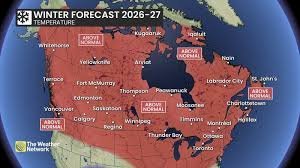
- Western Canada: Typically, British Columbia and Alberta experience milder temperatures. While this might sound appealing, it often leads to increased rainfall on the coast and a potentially lower snowpack in the mountains, which can impact ski resorts and spring water levels.
- The Prairies: The central provinces often see a tug-of-war between warm Pacific air and cold Arctic blasts, leading to highly volatile temperature swings.
- Eastern Canada & Ontario: The Atlantic provinces and Central Canada often experience cooler and wetter-than-average conditions. For many, this means a higher probability of heavy snowfall and disruptive winter storms.
What to Expect: Snow, Rain, or Something in Between?
When we call El Niño a “disrupter,” we are referring to its ability to push the polar jet stream further north. This often traps cold air in the Arctic, preventing the usual “polar vortex” dips into the south. Consequently, many parts of Canada may see a milder winter than usual, though this is never a guarantee of a “snow-free” season.
For those tracking the latest forecasts, staying informed via high-authority sources like Environment and Climate Change Canada is essential for real-time alerts and regional warnings.
Preparing for a Volatile Season
Whether you are expecting a mild autumn or a brutal blizzard, preparation is key to navigating a disrupted winter. Here are a few tips to stay ahead of the curve:
- Home Maintenance: Check your heating systems and insulate pipes to handle unexpected temperature fluctuations.
- Winter Gear: Invest in versatile layering. A disrupter winter means you might need a heavy parka one day and a light raincoat the next.
- Travel Planning: Be mindful of potential travel disruptions in the East, where increased precipitation can lead to road closures.
Final Thoughts
While the term “disrupter” might sound alarming, El Niño is a natural part of our planet’s climate cycle. By understanding these patterns, Canadians can better prepare for the unpredictability of the season. Keep an eye on the skies, stay warm, and embrace the unique rhythms of a Canadian winter.
📰 You May Also Like