
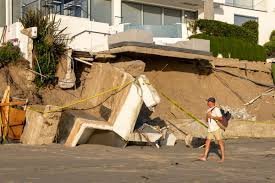
El Niño Explained: How This Powerful Climate Phenomenon Shapes Our Global Weather
Have you ever wondered why some years are significantly warmer than others or why unexpected floods hit regions that are typically dry? The answer often lies in a complex climate pattern known as El Niño. But what exactly is it, and why does a change in ocean temperatures thousands of miles away affect your daily life?
What is El Niño?
El Niño, which translates to “The Little Boy” or “Christ Child” in Spanish, is the warm phase of a larger cycle called the El Niño-Southern Oscillation (ENSO). This phenomenon occurs when the surface waters in the central and eastern tropical Pacific Ocean become unusually warm.
Under normal conditions, trade winds blow from east to west, pushing warm water toward Asia. During an El Niño event, these winds weaken or even reverse, allowing the warm water to flow back toward the coast of South America. This shift disrupts the atmosphere and alters weather patterns across the entire globe.
How Does El Niño Affect the World?
Because the ocean and atmosphere are deeply connected, the warming of the Pacific creates a ripple effect. Here are some of the most common impacts:
- The Americas: Regions like the southern United States and Peru often experience significantly higher rainfall, which can lead to devastating floods and landslides.
- Asia and Australia: While the Americas get wetter, Southeast Asia and Australia typically face severe droughts, increasing the risk of catastrophic wildfires.
- Global Temperatures: El Niño years are often among the hottest on record globally, as the ocean releases massive amounts of heat into the atmosphere.
- Marine Life: The warming waters disrupt the nutrient-rich cold currents (upwelling) off the coast of South America, causing fish populations to plummet and impacting local fishing industries.
El Niño and Climate Change: A Dangerous Duo?
One of the most pressing questions today is how global warming interacts with El Niño. While ENSO is a natural cycle that has existed for millennia, scientists suggest that a warming planet may intensify these events.
According to data from NOAA (National Oceanic and Atmospheric Administration), the increase in baseline ocean temperatures can make El Niño-driven weather extremes more frequent and more intense, leading to more severe droughts and unpredictable storm seasons.
How to Prepare for El Niño Events
While we cannot stop a climate phenomenon, we can prepare for its effects. Governments and industries utilize sophisticated modeling from agencies like NASA to forecast these events months in advance.
Key Strategies for Adaptation:
- Agriculture: Farmers can switch to drought-resistant crops in areas prone to dryness.
- Infrastructure: Cities in flood-prone zones can improve drainage systems and early warning sirens.
- Water Management: Implementing stricter water conservation measures during predicted drought phases.
Final Thoughts
El Niño is a powerful reminder of how interconnected our planet is. A shift in ocean currents in the Pacific can dictate the price of coffee in Brazil, the intensity of winters in New York, or the frequency of fires in Australia. By understanding these patterns, we can better protect our environment and our economies from the whims of nature.



