
El Niño Explained: How This Powerful Climate Phenomenon Impacts the World and Canada
You might have heard the term El Niño popping up in weather forecasts and news reports lately. But what exactly is it, and why does a change in ocean temperatures thousands of kilometres away affect our daily lives here in Canada? Let’s dive into the science and the real-world implications of this climate powerhouse.
What Exactly is El Niño?
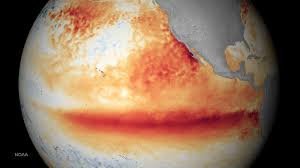
El Niño, which translates to “The Boy” or “The Christ Child” in Spanish, is the warm phase of a natural climate pattern called the El Niño-Southern Oscillation (ENSO). It occurs when the surface waters in the central and eastern tropical Pacific Ocean become significantly warmer than average.
Under normal conditions, trade winds blow west across the Pacific, pushing warm water toward Asia. During an El Niño event, these winds weaken or even reverse, allowing that warm water to surge back toward the coast of South America. This shift disrupts the atmosphere, triggering a domino effect of weather changes globally.
The Global Ripple Effect
Because the Pacific Ocean is so vast, the heat it releases into the atmosphere alters the path of the jet stream—the high-altitude “river of air” that steers weather systems around the planet. This results in extreme weather shifts:
- n
- Heavy Rainfall: Regions like the southern United States and South America often experience increased precipitation and flooding.
- Severe Droughts: Southeast Asia, Australia, and parts of Africa may face extreme dry spells, leading to wildfires and crop failures.
- Marine Life Disruption: The lack of nutrient-rich cold water rising to the surface (upwelling) can devastate fish populations, impacting global food security.
How Does El Niño Affect Canada?
For Canadians, El Niño typically brings a noticeable shift in winter patterns. While it doesn’t guarantee a specific outcome for every province, the general trends often include:
- Milder Winters: Western Canada and the Prairies often experience warmer-than-average winter temperatures.
- Shifted Precipitation: While some areas see milder weather, others might experience heavier rainfall or unusual snow patterns depending on the strength of the event.
- Agricultural Impact: Warmer winters can disrupt the dormancy period for some crops and change the timing of the spring melt.
To stay updated on current warnings and local forecasts, it is highly recommended to monitor Environment and Climate Change Canada.
Climate Change: An Amplifier?
One of the biggest questions scientists are tackling is how global warming interacts with El Niño. While ENSO is a natural cycle, researchers from NASA suggest that a warming planet may intensify the impacts of these events, making floods more severe and droughts more prolonged.
Preparing for the Shift
Whether you are a farmer, a business owner, or simply someone planning their winter wardrobe, understanding El Niño helps in better preparation. By keeping an eye on data from the National Oceanic and Atmospheric Administration (NOAA), we can better anticipate the challenges and opportunities that come with this natural cycle.
Stay informed, stay prepared, and keep an eye on the horizon!



